



How Is 3D Printing Used in the Automotive Industry
20 May 2026
Industry Insights
For automotive development teams, how is 3D printing used in the automotive industry is mainly answered through prototyping efficiency, design validation, and part iteration. At SoonSer, we work with manufacturing users who apply SLA systems to shorten design cycles and improve testing workflows. In real production environments, 3D printing in automotive industry is commonly used for functional prototypes, exterior components, and mold verification. At the same time, automotive 3D printing applications continue to expand as engineers look for more flexible ways to support design changes without relying only on traditional tooling methods.
Prototyping and Design Verification in Automotive Development
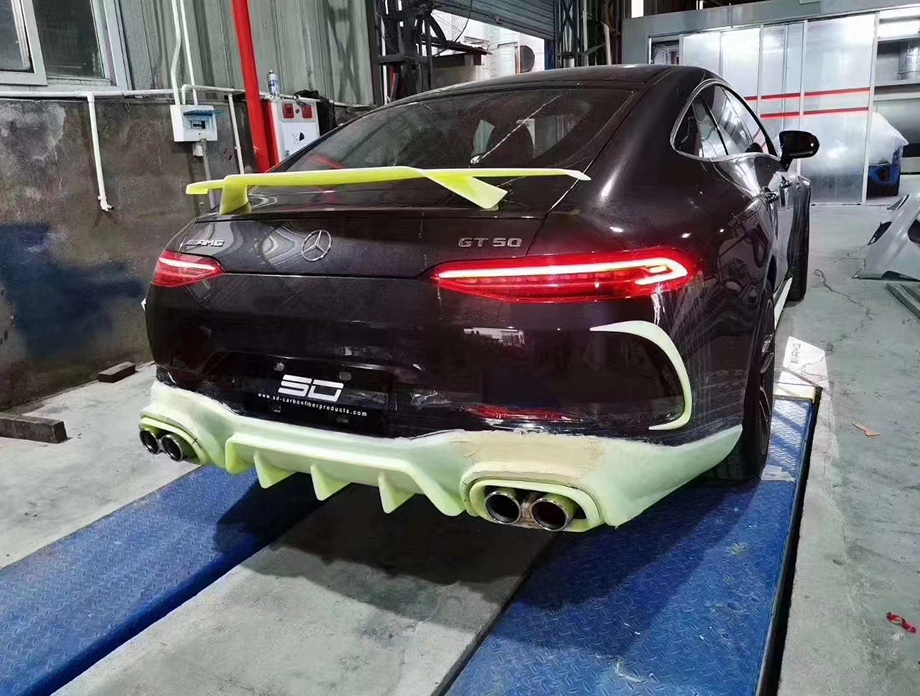
In early-stage automotive design, we use SLA-based systems to support rapid prototype creation for structural and visual components. This helps engineering teams evaluate shape, fit, and assembly before moving into final production stages. The role of 3D printing in automotive industry is especially important when multiple design iterations are required in a short time. Through automotive 3D printing applications, we help users produce detailed prototypes that reflect complex geometries often found in vehicle lighting systems, interior components, and aerodynamic structures. Our systems are built to maintain stable output during continuous printing tasks, which is essential for teams working under tight development schedules. In this stage, how is 3D printing used in the automotive industry is closely linked to reducing repeated tooling adjustments and supporting faster validation cycles.
Tire and Component Mold Development
Another important area of 3D printing in automotive industry is mold development, particularly for tire-related structures and functional component testing. On our automotive applications page, we show how SLA-based systems can support tire mold manufacturing and other tooling processes that require precise surface detail. Through automotive 3D printing applications, manufacturers can test tread patterns and structural concepts without committing to full-scale production tooling. This approach allows design teams to adjust models more efficiently while maintaining consistent geometric accuracy. In many cases, how is 3D printing used in the automotive industry becomes a question of how to balance development speed with stable physical output, especially when working with complex mold structures that require fine detailing and repeatable performance.
Production Support and Industrial Workflow Integration
Beyond prototyping, 3D printing in automotive industry is increasingly integrated into production support workflows. We see more users adopting SLA technology for jigs, fixtures, and assembly aids that assist manufacturing lines. These automotive 3D printing applications help reduce reliance on traditional machining for small-scale production tools. In addition, automotive engineers use printed parts for testing assembly processes and verifying ergonomics before final manufacturing decisions are made. From our perspective, how is 3D printing used in the automotive industry is not limited to early design stages but extends into practical factory operations where stability and repeatability are required for daily use.
Conclusion
Overall, 3D printing in automotive industry plays a practical role in supporting design validation, mold development, and production assistance. At SoonSer, we focus on providing SLA systems that help users maintain stable printing performance across different automotive workflows. As automotive 3D printing applications continue to expand, we see increasing demand from manufacturers and service providers who need reliable prototyping and functional part development. In summary, how is 3D printing used in the automotive industry is best understood as a combination of rapid prototyping, tooling support, and flexible manufacturing integration rather than a single isolated process.

