



Can You Reuse Resin From 3D Printer? Understanding Material Handling in SLA Production
18 May 2026
Industry Insights
When users ask can you reuse resin from 3D printer, the answer depends on how the material is handled during and after the printing process. At SoonSer, we work with industrial users who rely on stable production conditions, and material management is an important part of maintaining consistent output. In SLA workflows, 3D printer resin recycling is often discussed, but in practice it requires careful filtration and quality control before any reused material can be applied again. The behavior of 3D printing resin is sensitive to light exposure, temperature, and contamination, which means improper reuse can affect print stability and surface accuracy.
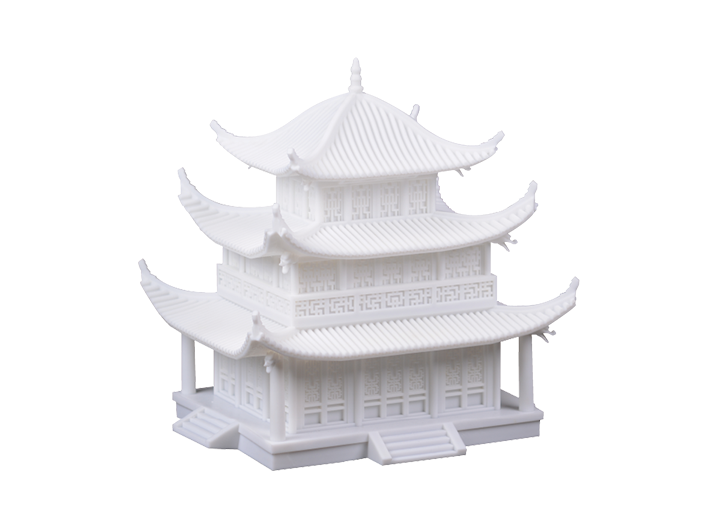
Resin Usage and Material Stability in Industrial Printing
From our experience working with manufacturing and service providers, 3D printing resin is typically designed for controlled use rather than repeated open recycling. When answering can you reuse resin from 3D printer, it is important to understand that unused resin from a build chamber may still contain partially cured particles or dust from the environment. In industrial workflows, 3D printer resin recycling is only considered when strict filtration systems are applied and material properties are verified before reuse. Our SLA systems are designed to support stable printing environments so that material waste can be minimized through process control rather than repeated reuse. This approach is especially important for users in automotive prototyping, electronics housing development, and footwear modeling, where consistency is more important than material reuse.
Material Options and SLA Resin Performance
We also provide SLA resin material solutions through our official material system page, where different formulations are designed for specific industrial needs. These 3D printing resin materials are developed to support applications such as functional prototypes, detailed models, and artistic structures. In real production environments, 3D printer resin recycling is not commonly the primary method for cost reduction; instead, users focus on optimizing print parameters and selecting the correct resin type for each project. When discussing can you reuse resin from 3D printer, we often emphasize that material performance depends on controlled handling rather than repeated reuse cycles. Our resin systems are designed to maintain stable viscosity and curing behavior under proper storage and usage conditions, helping users achieve predictable results in industrial SLA applications.
Industrial Applications and Practical Considerations
In manufacturing environments, 3D printing resin is widely used for prototyping and short-run production, especially in industries like automotive design, consumer electronics, and artistic modeling. While 3D printer resin recycling may appear attractive from a cost perspective, we generally guide users to focus on workflow efficiency and material selection instead of repeated reuse. The question can you reuse resin from 3D printer often leads to the conclusion that controlled usage is more reliable than attempting to recover degraded material. At SoonSer, our SLA systems are designed to maintain printing stability so that users can reduce waste through process optimization rather than relying on recycling methods that may introduce inconsistency.
Conclusion
Overall, 3D printing resin can sometimes be filtered and reused under controlled conditions, but it is not a standard practice in most industrial SLA workflows. When evaluating can you reuse resin from 3D printer, the key factor is maintaining material quality and ensuring consistent performance. While 3D printer resin recycling may be possible in limited cases, most manufacturers prioritize stability, precision, and repeatability over repeated material reuse. With properly managed SLA systems and resin selection, users can achieve reliable results in manufacturing, service production, and creative applications without compromising output quality.

