



How to Use a Resin 3D Printer in Industrial Production Workflows
16 May 2026
Industry Insights
In industrial prototyping and production environments, knowing how to use a resin 3D printer is closely connected to workflow stability and consistent output. At SoonSer, we work with manufacturing teams, service bureaus, and design studios that rely on controlled printing processes rather than experimental operation. Understanding industrial resin 3D printer usage is not only about operating the machine, but also about managing design preparation, material handling, and post-processing steps in a structured way. In most production cases, SLA resin printing is used to achieve smooth surface quality and dimensional accuracy for functional prototypes, appearance models, and testing parts across automotive, electronics, and footwear industries.
Preparing Models and Printing Setup
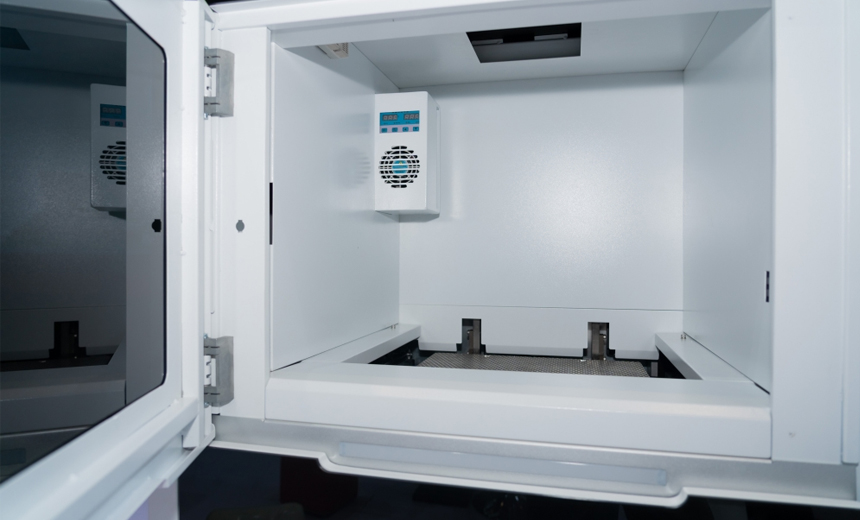
Before starting a print job, we usually begin with digital model preparation, ensuring the geometry is suitable for SLA resin printing. This step includes checking wall thickness, support structures, and orientation to reduce deformation during the process. When working with an industrial resin 3D printer, file slicing plays an important role in balancing print time and structural stability. Our Smart Series system is designed to support this stage with a stable workflow interface, helping users transition from design files to print-ready instructions without unnecessary complexity. For manufacturers and 3D printing service providers, this preparation stage directly influences consistency across repeated production cycles.
Printing Process and Operational Control
Once the file is prepared, the printing stage begins with controlled layer exposure using resin-based photopolymerization. In SLA resin printing, each layer is cured with precision to build the final part gradually, which allows detailed geometries and smooth surface finishes. During operation of an industrial resin 3D printer, we focus on maintaining environmental stability, resin flow consistency, and platform calibration to ensure repeatable results. At SoonSer, our Smart Series platform is often used in environments where continuous production is required, such as prototype verification for automotive components or detailed models for design validation. Learning how to use a resin 3D printer in this context is less about single prints and more about maintaining stable batch output.
Post-Processing and Application Use
After printing is completed, parts go through cleaning and post-curing processes to achieve final mechanical and surface properties. In SLA resin printing, this stage is essential because it defines the final usability of the printed part. Users of an industrial resin 3D printer typically apply post-processing workflows depending on application requirements, such as sanding, assembly testing, or surface finishing for presentation models. The Smart Series system from SoonSer is designed to support industrial and service environments where repeatability and workflow efficiency are important, especially for users in manufacturing, product design, and artistic production sectors.
Conclusion
Understanding how to use a resin 3D printer is ultimately about combining preparation, controlled printing, and structured post-processing into a stable workflow. With industrial resin 3D printer systems like our Smart Series, users can apply SLA resin printing across different industries including manufacturing, service bureaus, and creative studios. At SoonSer, we continue to focus on supporting practical production needs, helping users integrate resin-based additive manufacturing into real industrial applications with consistent operational stability.

