



Transparent Resin and Optical Applications: Precision Advantages of SoonSer LCD/SLA
9 January 2026
Industry Insights
In our daily work with clear resin 3D printing, we pay close attention to how printing conditions influence clarity, dimensional stability, and the visual performance required by optical applications. At SoonSer, we focus on building a system that supports projects where transparency and detail must work together without compromise. Through sla 3d printing, we aim to provide dependable output for manufacturing teams, 3D printing service providers, and creators in the arts who often work with components that need both transparency and refined geometry. Our goal is not to pursue exaggerated claims but to offer a practical approach to printing that aligns with real project demands.
Stable Output to Support Industrial and Creative Workflows
Users in manufacturing industries—such as automotive, consumer electronics, and footwear—frequently highlight the need for stable output rather than experimental variations. In our experience with clear resin 3D printing, stability is a key factor that allows engineers and designers to plan confidently. With sla 3d printing, we aim to support projects involving light-transmitting structures, conceptual displays, and demonstration models that require predictable quality. Many 3D printing service providers also rely on consistent equipment behavior when preparing short-run parts or presenting optical mock-ups to their clients. In creative fields, users often need surfaces that can handle diffused lighting or controlled reflections, and we consider these requirements when refining our workflow recommendations.
Material Characteristics That Enhance Detail Performance
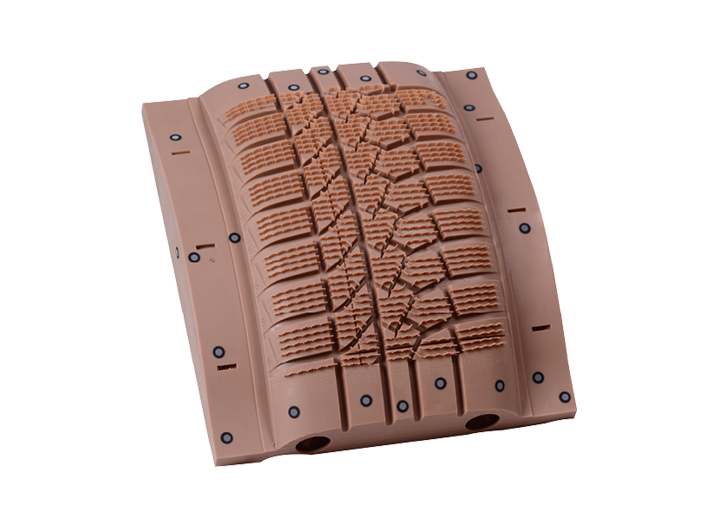
For projects that require fine textures and smooth surfaces, we offer the SLA resin S-ST5001, a coffee-colored formulation designed to support high-finesse surface formation. This material presents subtle contours, layered structures, and intricate patterns with steady reliability. In workflows involving clear resin 3D printing, users often combine transparent elements with supporting components made from materials like S-ST5001 to achieve visual balance in their prototypes. When paired with sla 3d printing, the material allows molds, display pieces, and detailed models to maintain both smooth surfaces and stable dimensions. This combination is useful for service providers, design studios, and manufacturing teams who need outputs that reflect their design intent with clarity and consistency.
Conclusion: Supporting Optical Applications Through Reliable Precision
Across the industries we serve, we continue to refine our approach to printing so users can rely on equipment stability and material characteristics when working on optical-related projects. By focusing on practical performance, we aim to help manufacturing professionals, 3D printing service groups, and artists achieve dependable results through clear resin 3D printing and sla 3d printing. As we further improve our systems and materials, we remain committed to supporting users who value clarity, surface precision, and consistent performance across varied project types.

