



Environmental Biodegradable Resin: A Sustainable Path in 3D Printing Materials
10 January 2026
Industry Insights
As we explore material innovation in our work at SoonSer, we continue to place sustainability and practical performance at the core of our development. The growing demand for responsible production has expanded interest in biodegradable resin, and we see its potential aligning well with evolving industrial needs. Within the field of 3d printer additive manufacturing, sustainable materials offer a meaningful opportunity to reduce environmental impact without compromising workability. Our focus has been to understand how these materials behave in real applications and how they interact with existing SLA workflows. By sharing our experience, we aim to help users in manufacturing and creative industries evaluate whether biodegradable options are suitable for their ongoing projects.
Material Behavior and Application Relevance
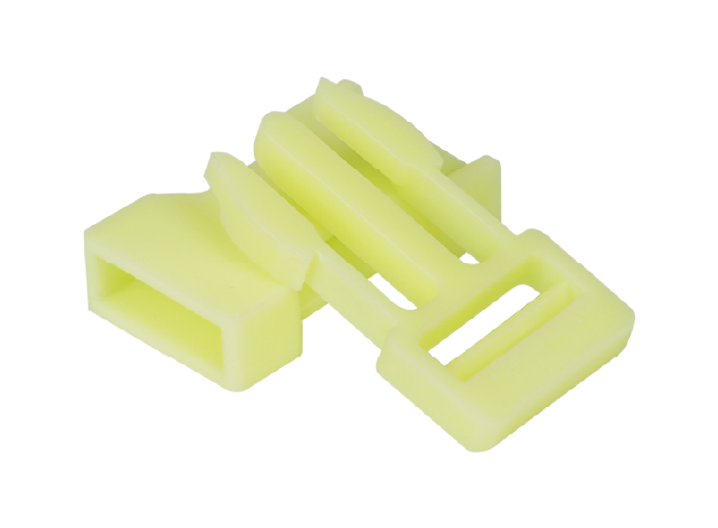
In many of the industries we serve—automotive, electronics, footwear, and artistic fabrication—material stability and predictable performance remain the primary concerns. While biodegradable resin continues to mature, we observe that users working with SLA equipment still require dependable mechanical characteristics, especially for prototypes and functional parts. Within 3d printer additive manufacturing, biodegradable options work best in projects emphasizing ecological values, conceptual modeling, and early-stage design. For tasks requiring consistent hardness and toughness, we provide SLA Resin (S-ST9012D), an ABS-like material recognized for high hardness, strength, and reliable low-temperature stability. Although it is not a biodegradable option, it serves as a complementary choice for manufacturers seeking dependable mechanical properties alongside sustainable exploration. Our role is to guide users in selecting the right material for their workflow rather than pushing a single solution.
Matching Material Selection With Industry Needs
Manufacturing teams often look for stability when producing trial components or checking form and structure. In 3d printer additive manufacturing, balancing environmental goals with practical requirements is a common discussion among our customers. While biodegradable resin offers a pathway to reduced material waste, the decision to adopt it must consider part size, application purpose, and post-processing methods. Many users combine sustainable materials for early visualization with S-ST9012D when durability is essential. This approach helps them gradually integrate greener choices without interrupting established production standards. We support this flexible workflow because it reflects real manufacturing conditions faced by automotive designers, electronics engineers, footwear developers, and creative studios.
Moving Toward a Sustainable Future
We believe that the advancement of eco-friendly materials will continue to reshape expectations across the industries we connect with. As interest in biodegradable resin grows, we will keep evaluating its compatibility with the processes our customers rely on. At the same time, we maintain stable material options like S-ST9012D to meet daily production demands within 3d printer additive manufacturing. Our aim is to help users adopt sustainable materials at a pace that fits their workflow, ensuring that each choice supports both environmental goals and practical reliability.

