



Environmental Requirements for 3D Printed Resin: How Can Automotive Industry Meet Strict Hazardous Substance Testing Standards?
4 July 2026
Industry Insights
3D printed resin environmental compliance in automotive manufacturing can be achieved by aligning material selection, documentation, and verification processes with recognized testing frameworks for hazardous substances.
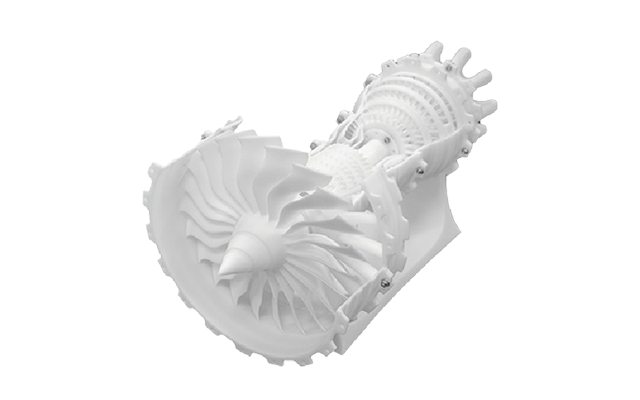
From our field experience, automotive applications require strict traceability and stable resin performance across every production stage. When working with sla 3d printing materials, we often observe that resin formulation consistency directly influences downstream compliance results. These materials must be assessed not only for mechanical behavior but also for chemical safety, especially when components are intended for functional automotive use. At Soonser, we work closely with production teams to ensure that material workflows remain stable and suitable for regulated environments.
In parallel, certification documentation plays a central role in validating material safety. Automotive manufacturers increasingly request 3d printing material certification records before integrating resin parts into testing or assembly workflows. These documents help confirm that resin batches meet defined thresholds for restricted substances and align with internal procurement standards. Within our experience at Soonser, this step is often integrated early in the qualification phase to avoid delays in later-stage validation. At this stage, sla 3d printing materials are typically evaluated alongside certification reports to ensure full alignment between physical performance and compliance requirements.
Material Compliance Frameworks in Automotive Resin Applications
In automotive prototyping and tooling workflows, regulatory compliance is not a secondary consideration but part of the production structure itself. 3d printing material certification is frequently used as a reference point when assessing whether a resin can proceed into pilot production. We often see manufacturers cross-check certification details with internal compliance lists before approving use in SLA-based processes.
For example, when using sla 3d printing materials in functional prototyping, teams may require multiple validation steps, including chemical composition review and thermal stability checks. These steps ensure that printed parts remain consistent under environmental stress conditions typical in automotive testing environments. Certification documents provide an additional layer of verification that supports these technical evaluations.
Production Control and Resin Performance in SLA Systems
From a production standpoint, maintaining consistency in resin behavior is essential for repeatable output. When working with sla 3d printing materials, we focus on controlling exposure parameters and post-curing processes to maintain stable chemical properties. These practices help reduce variation between batches, which is critical in regulated manufacturing sectors.
At Soonser, we integrate workflow checks that align resin usage with compliance documentation. 3d printing material certification is reviewed alongside machine calibration records to ensure that every production run remains traceable. This combination of material control and documentation supports manufacturers in maintaining alignment with automotive safety expectations while using SLA technology for precision parts.
Quality Verification and Documentation in Resin-Based Manufacturing
In industrial production environments, verification does not end at printing. Post-processing and documentation are equally important in maintaining compliance. 3d printing material certification serves as a reference point during final quality inspections, especially when parts are prepared for automotive validation testing.
We also evaluate how sla 3d printing materials behave during post-curing and finishing stages, since these processes can influence final chemical stability. At Soonser, our workflow emphasizes consistency across these stages to support repeatable outcomes. Documentation ensures that every material batch can be traced back to its certified parameters, which is particularly important in regulated automotive supply chains.
Conclusion
Maintaining compliance with hazardous substance standards in automotive resin applications depends on controlled material selection, verified documentation, and consistent production practices. By combining sla 3d printing materials with structured validation processes and reliable 3d printing material certification, manufacturers can better align with regulatory expectations while maintaining production efficiency. In our experience at Soonser, integrating these elements into a unified workflow helps ensure that SLA-based resin production remains both technically stable and compliant with automotive industry requirements.

