



How Can SLA 3D Printing Achieve a Smooth Surface Finish for Electronic Enclosures with Minimal Post-Processing?
2 July 2026
Industry Insights
SLA 3D printing can help electronic enclosures achieve a smooth and refined surface appearance with minimal post-processing by combining precise laser curing, stable printing performance, and detailed feature reproduction.
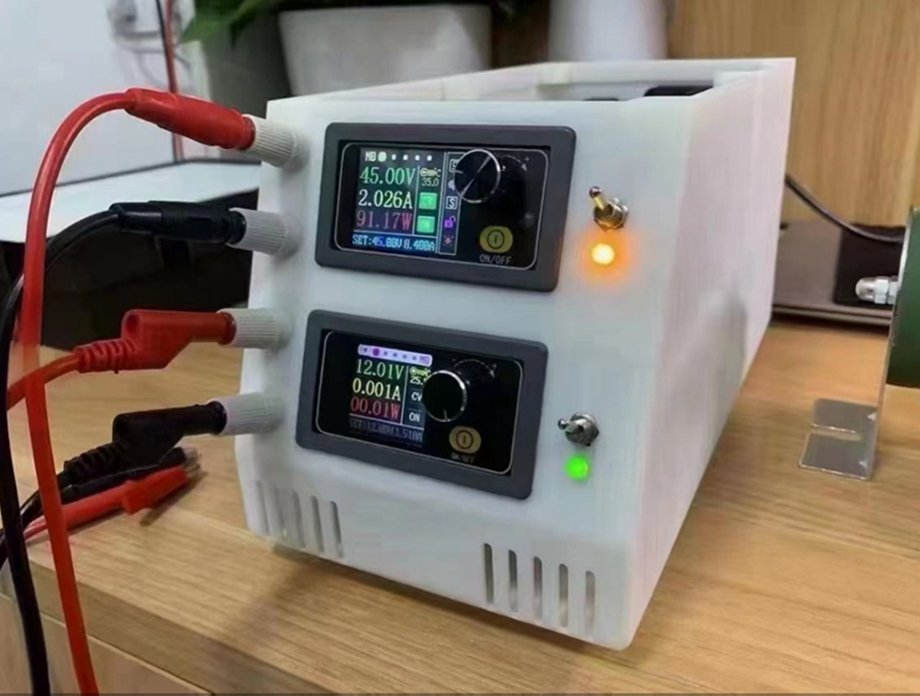
Furthermore, surface quality has become an important consideration when developing electronic products. Whether creating prototype housings, functional enclosure samples, or appearance verification models, manufacturers often want printed parts that closely resemble the final product. Excessive sanding and finishing work can increase project timelines and labor costs. Through electronics 3d printing, we have seen how SLA technology helps reduce these challenges by producing parts with fine detail and smooth surfaces directly from the printer. At Soonser, we support customers in the electronics industry by providing industrial SLA solutions that focus on precision, consistency, and production efficiency.
Precision Printing Creates a Better Starting Surface
A smooth enclosure begins with accurate layer formation during the printing process. When each layer is cured precisely, visible layer lines can be reduced, resulting in cleaner surfaces and sharper edges. This is particularly important for electronic housings that contain buttons, ports, vents, and detailed structural features.
Through electronics 3d printing, companies can create enclosure prototypes that closely match design intent before moving to later development stages. The Smart Series industrial SLA printers are designed to deliver precise laser-based printing performance, helping users reproduce complex geometries and intricate details. For engineering teams evaluating housing designs, a high precision sla printer can contribute to more accurate visual and functional assessments because the printed surface requires less corrective work before inspection.
Stable Printing Performance Supports Consistent Results
Surface quality is influenced not only by resolution but also by machine stability. Consistent motion control and reliable optical performance help ensure that every layer is produced accurately throughout the build process. This becomes especially important when producing multiple enclosure designs or larger prototype batches.
At Soonser, we focus on providing industrial SLA systems capable of maintaining reliable printing performance across different applications. The Smart Series combines precision-oriented design with efficient operation, making it suitable for manufacturing environments, professional 3D printing services, and design studios. When using electronics 3d printing for enclosure development, stable machine performance helps maintain uniform surface quality from one build to another.
For users who require repeatable production results, a high precision sla printer provides the consistency necessary for creating detailed electronic housings with refined appearances. This reliability can reduce the amount of additional finishing work needed before presentation or testing.
Supporting Product Development Across Multiple Industries
Electronic enclosure development often involves several rounds of design verification. Engineers may need to evaluate assembly fit, external appearance, ergonomic features, and component placement before final production begins. Fast access to accurate prototypes can help streamline this process.
Through electronics 3d printing, design teams can quickly produce housing concepts and functional models while maintaining a professional surface finish. The Smart Series supports this workflow by providing industrial-grade precision and detailed feature reproduction. A high precision sla printer can also serve the needs of 3D printing service providers and creative professionals who require clean surfaces and fine details for presentation models, concept designs, and artistic projects.
Because SLA technology is capable of reproducing small features with high accuracy, users can evaluate design elements more effectively while spending less time on extensive surface correction. This combination of detail quality and workflow efficiency makes the technology valuable across a range of professional applications.
Conclusion
SLA technology supports smooth electronic enclosure production by combining precise laser curing, stable machine performance, and accurate detail reproduction. At Soonser, we provide industrial SLA solutions that help users create refined enclosure prototypes with minimal finishing requirements. Whether for manufacturing, professional service providers, or creative design projects, electronics 3d printing paired with a high precision sla printer offers an effective approach to producing detailed housings with high-quality surface appearance.

