



Which Is More Suitable for Complex Details: LCD Pixel Size or SLA Laser Spot Diameter?
1 July 2026
Industry Insights
For applications that require fine features and detailed surface quality, the laser spot control of an SLA system is often more suitable for producing complex details, especially in professional manufacturing, 3D printing services, and artistic model production.
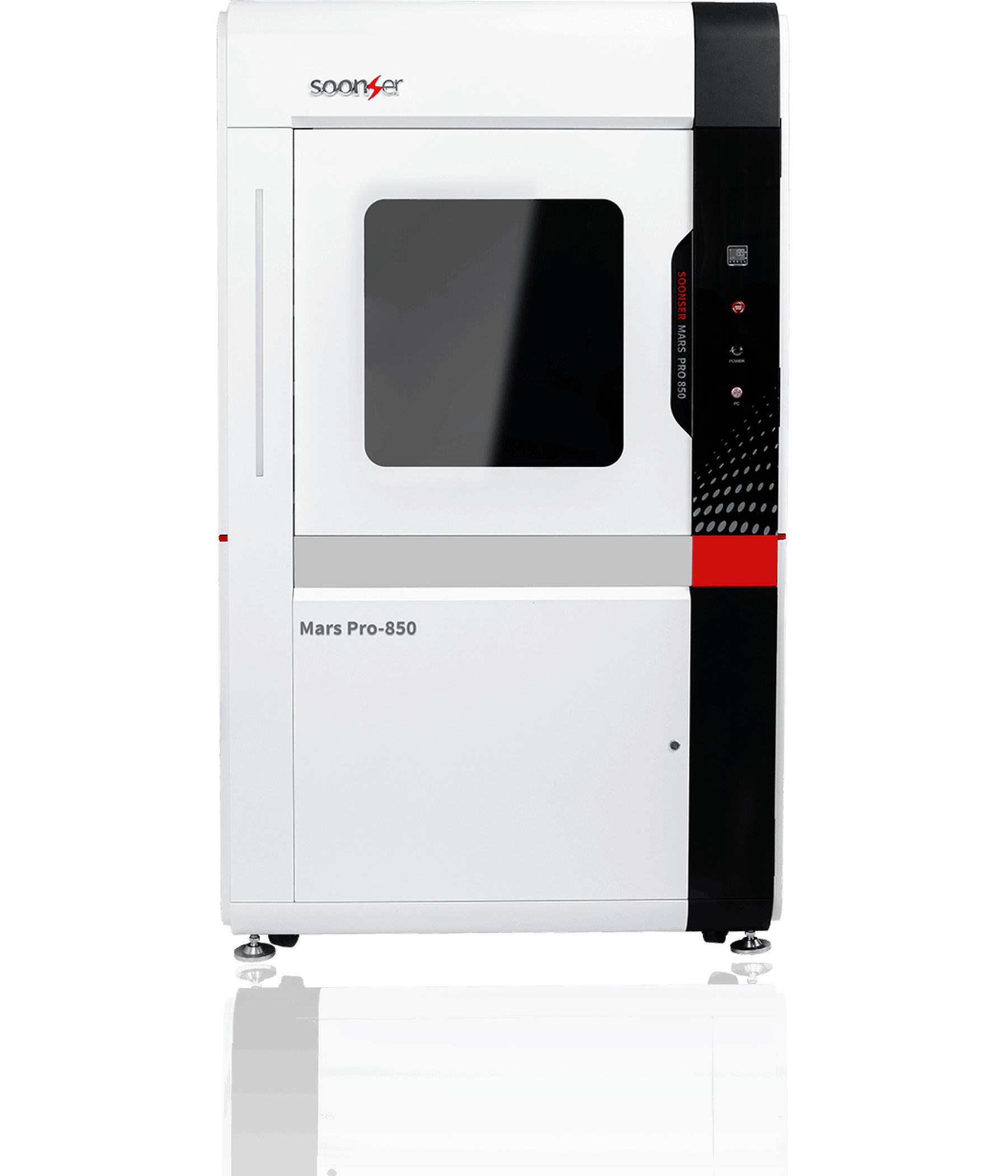
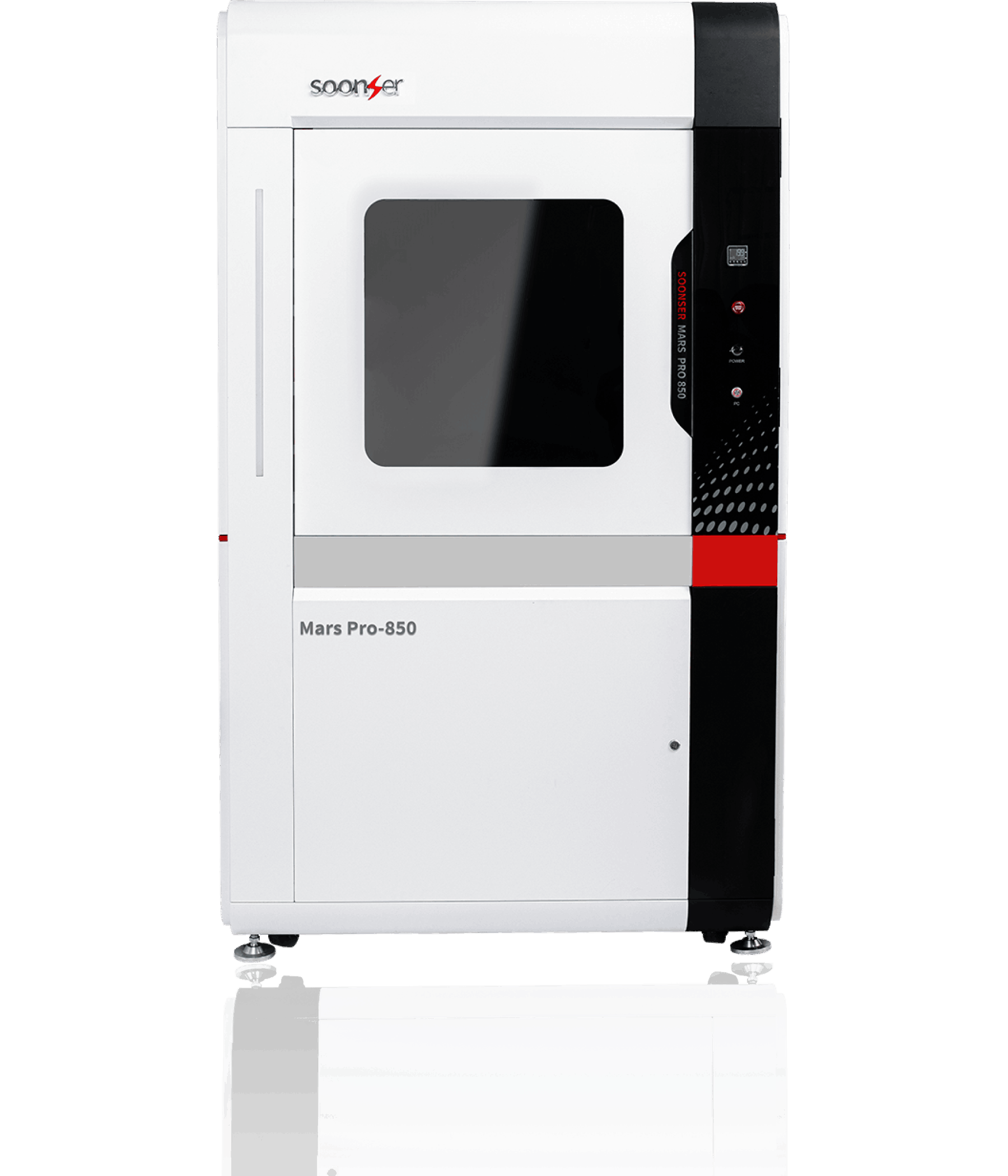
Meanwhile, when evaluating printing technologies for highly detailed parts, many users focus on a single specification and assume it determines the final result. In reality, print quality is influenced by multiple factors, including light control, accuracy, machine stability, and material performance. The discussion around lcd vs sla printer technology frequently centers on LCD pixel size and SLA laser spot diameter because both directly affect how fine details are reproduced. As a company dedicated to industrial additive manufacturing equipment, we have worked with customers from manufacturing, 3D printing service providers, and creative industries who require consistent detail reproduction across different applications.
How SLA Laser Spot Control Contributes to Fine Features
When comparing lcd vs sla printer technologies, one important distinction is how each system forms an image during printing. SLA technology uses a laser beam to trace and cure resin layer by layer. The precision of the laser spot plays a direct role in creating smooth edges, intricate structures, and refined surface quality.
At Soonser, our Mars Pro Series industrial SLA printers are designed for applications where dimensional accuracy and detail reproduction are important. According to the product information, the series supports high-precision printing with a stable optical system and industrial-grade performance. These capabilities help users create complex prototypes, functional models, and detailed artistic works that require careful reproduction of design features. For manufacturers and service bureaus handling demanding projects, a high resolution sla 3d printer can provide the level of precision needed for professional production environments.
Why Printer Stability Matters Beyond Resolution
Resolution specifications often receive the most attention, but machine stability is equally important when producing detailed parts. A printer may offer fine theoretical resolution, yet actual output quality depends on whether the system can maintain consistent accuracy throughout the printing process.
The Mars Pro Series incorporates a robust industrial design intended for large-format and precision-oriented production. This combination allows users to produce components with detailed geometries while maintaining reliability across long print jobs. When discussing lcd vs sla printer performance, experienced users often evaluate not only the imaging method but also the overall system design that supports repeatable results. For businesses producing prototypes, master patterns, or display models, a dependable high resolution sla 3d printer can contribute to more predictable production outcomes.
Practical Benefits for Manufacturing, Service Providers, and Artists
Different industries have different priorities, yet detailed feature reproduction remains a common requirement. Manufacturing companies often require accurate prototypes for product verification. 3D printing service providers need equipment capable of handling a variety of customer projects. Artists and model makers frequently focus on surface quality and fine structures that closely reflect the original design.
This is where industrial SLA systems continue to attract attention. At Soonser, we see customers applying SLA technology across a wide range of projects because it supports complex geometries and detailed finishes. The capabilities offered by a high resolution sla 3d printer help users produce parts with refined details while maintaining efficiency. When comparing production requirements across different sectors, the debate around lcd vs sla printer solutions often comes down to the level of detail, consistency, and surface quality expected from the final printed part.
For users focused on intricate details, fine structures, and professional-quality surfaces, SLA laser spot control offers clear advantages for many applications. While both technologies have their place, industrial SLA systems are particularly well suited for projects where precision and detail reproduction are priorities. Through advanced printer design and stable optical performance, a high resolution sla 3d printer provides manufacturers, 3D printing service providers, and artists with a practical solution for producing complex and highly detailed parts.

