



How Automotive Spare Parts Achieve Zero Inventory Through 3D Drawings and On-Site Printing
1 July 2026
Industry Insights
Zero-inventory spare parts production is becoming a practical option when digital files and on-site manufacturing work together.
As automotive manufacturing and maintenance requirements continue to evolve, many companies are looking for ways to reduce warehouse costs while ensuring that replacement parts remain available when needed. One approach gaining attention is the combination of digital 3D drawings and local production. Through on demand 3d printing, businesses can store qualified digital files instead of large inventories of physical components. At Soonser, we have seen how industrial SLA technology supports this shift by helping users produce parts quickly, accurately, and only when they are required.
From Digital Drawings to Physical Components
The foundation of a zero-inventory strategy is a reliable digital library of part designs. Rather than storing thousands of spare parts across multiple locations, manufacturers can maintain validated 3D files that are ready for production whenever demand arises. When a component is needed, automotive parts 3d printing enables users to manufacture the part directly from the digital model, reducing the need for long-term storage.
We work with customers across manufacturing, prototyping, and service industries who require accurate and repeatable production results. Our industrial SLA printers are designed to reproduce complex geometries and detailed structures with high precision. According to the automotive application information available on our website, SLA technology can support rapid prototyping, customized production, and functional verification while helping shorten development cycles. These capabilities make digital inventory management more practical for automotive applications.
Industrial SLA Printers Support On-Site Manufacturing
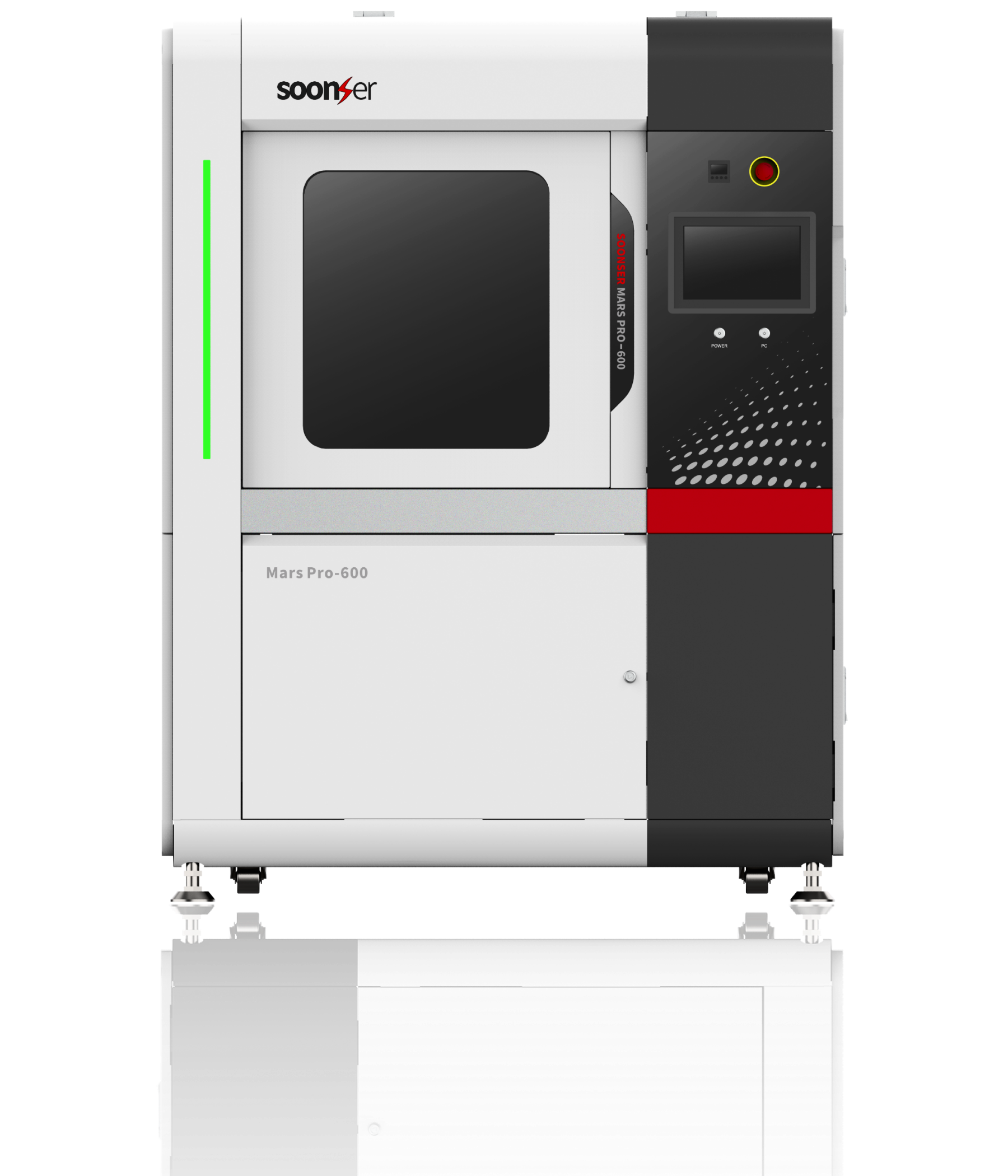
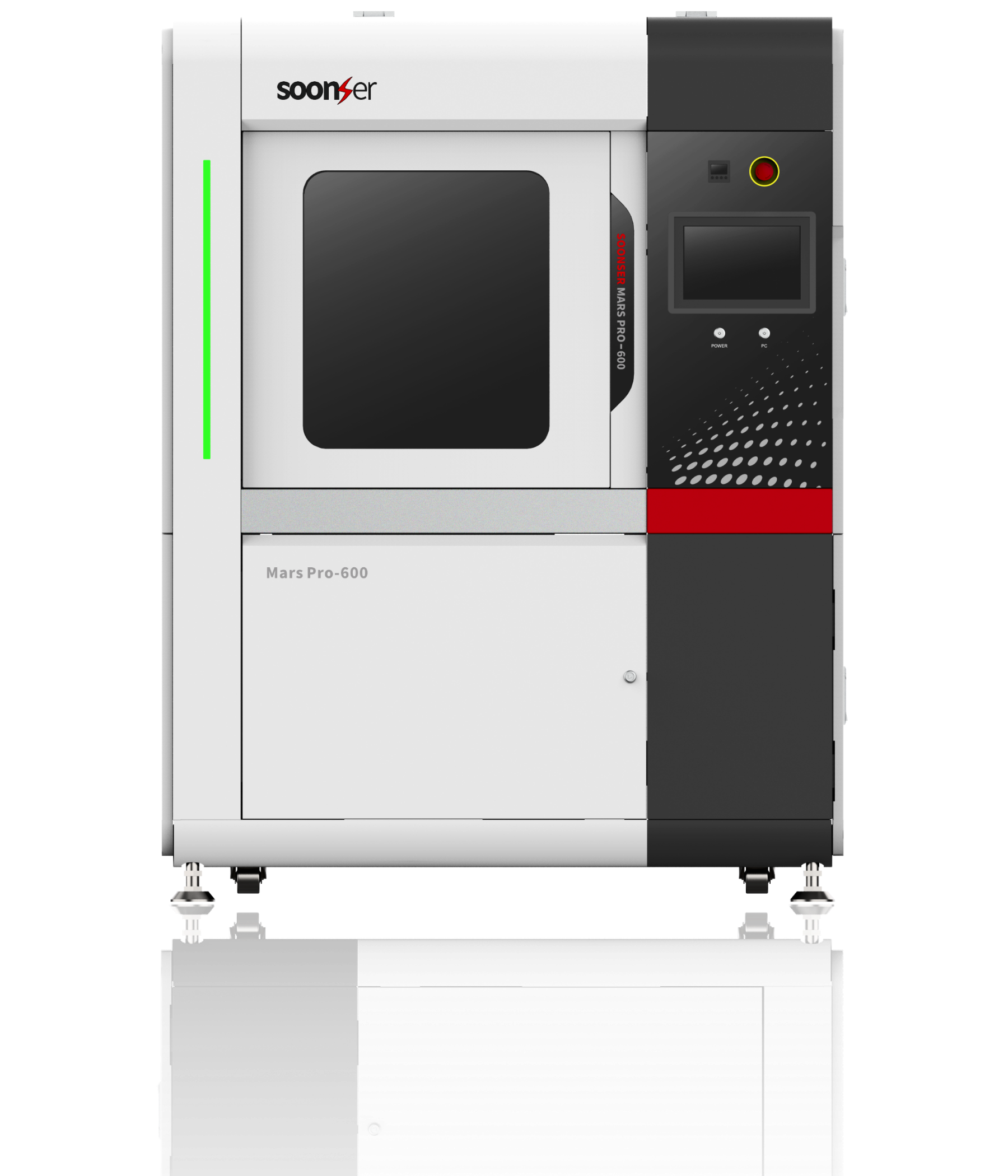
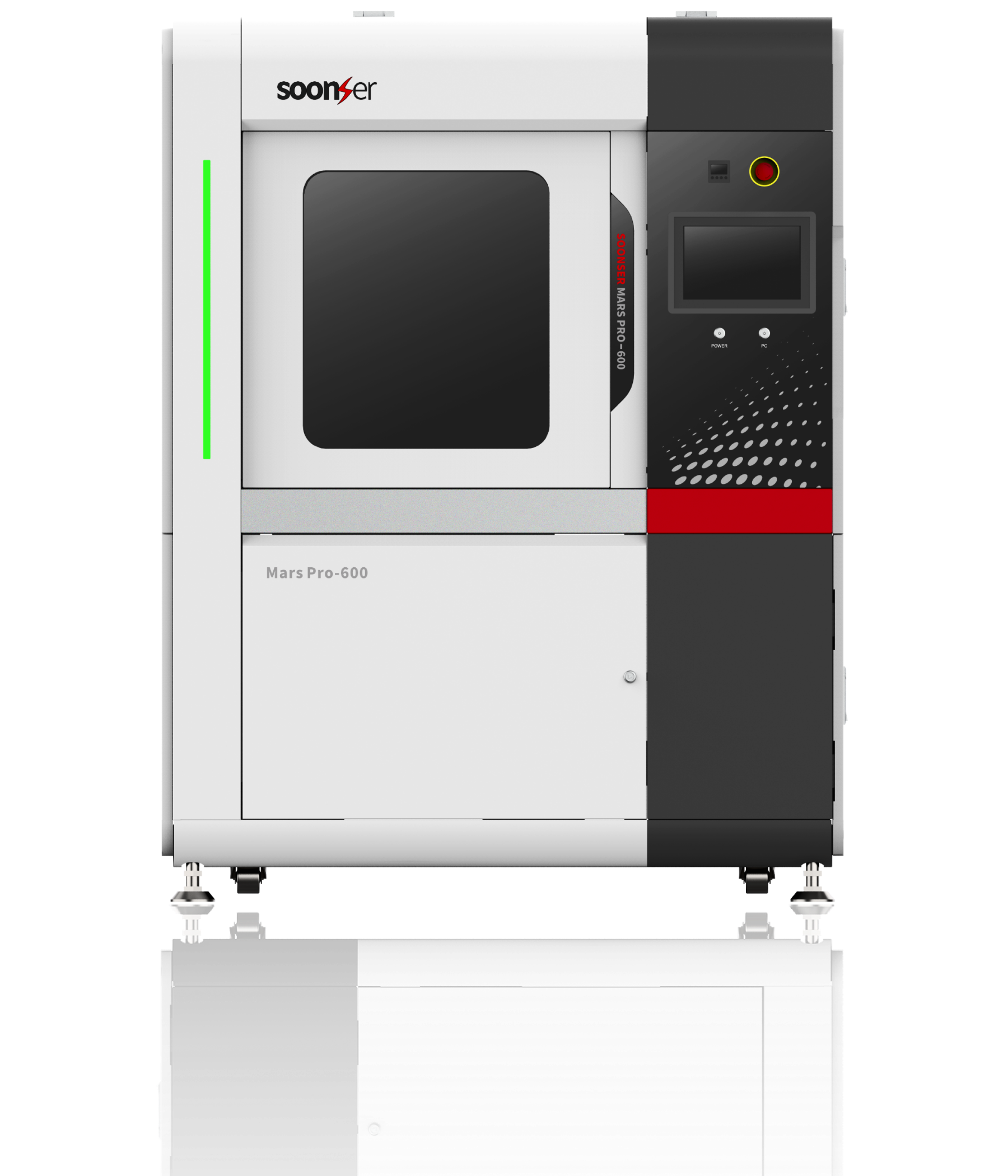
Successful local production depends heavily on printer performance. At Soonser, our industrial SLA printer portfolio is designed to meet a wide range of production requirements. The Mars Pro Series offers large-format printing capabilities and multiple build volume options, helping users manufacture large models and components with high dimensional accuracy. This allows production teams to create parts closer to the point of use, reducing transportation and storage requirements.
For businesses that require industrial precision in a more compact solution, our Smart Series SLA printers provide stable performance, fine-detail reproduction, and efficient operation. These features support on demand 3d printing by enabling manufacturers and service providers to produce parts when required rather than maintaining extensive spare-part inventories. By combining digital files with reliable equipment, companies can establish a more responsive production workflow.
Greater Flexibility Without Excess Inventory
Maintaining large inventories often creates challenges related to storage costs, stock management, and obsolete parts. With automotive parts 3d printing, organizations can manufacture components according to actual demand, helping reduce unnecessary inventory while maintaining production flexibility.
This approach is particularly useful for customized components, prototype validation, and low-volume production requirements. Our automotive application solutions demonstrate how SLA technology can support rapid turnaround times, detailed surface quality, and design flexibility. For manufacturers, 3D printing service providers, and professionals working in artistic model production, on demand 3d printing offers an effective way to move from physical inventory management toward digital inventory management while maintaining production efficiency.
Conclusion
By combining digital 3D drawings with local manufacturing capabilities, companies can reduce inventory pressure while keeping spare parts available when needed. Through advanced SLA printer solutions, Soonser helps users implement efficient production workflows that support precision, flexibility, and responsiveness. As digital manufacturing continues to expand, automotive parts 3d printing will remain an important tool for producing parts directly from digital files without relying on large physical inventories.

