



3D Printing in Automotive Interior Lightweighting: From Design to Material Selection
30 June 2026
Industry Insights
Automotive interior components produced through 3D printing offer a practical method for reducing vehicle weight while maintaining structural integrity. By utilizing advanced manufacturing techniques and optimized materials, we at Soonser help automotive engineers achieve significant mass reduction through innovative design and high-performance resin implementation.
Leveraging Lattice Structures for Mass Reduction
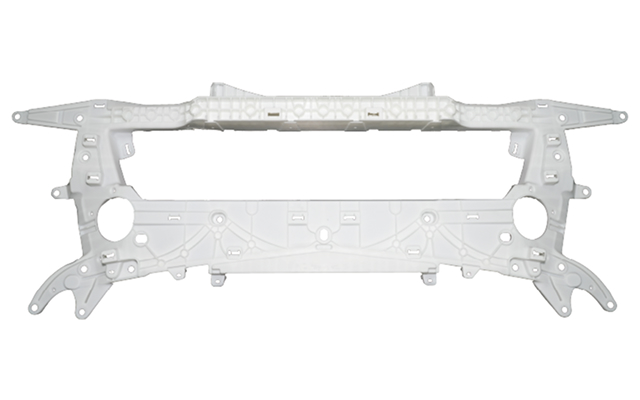
Reducing the weight of vehicle interiors without compromising comfort or safety is a persistent challenge. Our approach involves replacing solid components with a 3d printed lattice structure, which significantly lowers mass while providing the necessary mechanical support. When we design these internal geometries, we focus on distributing stress effectively, ensuring that the part remains durable under daily use. By moving away from traditional manufacturing constraints, we enable the creation of complex, lightweight forms that were previously impossible to produce. Integrating a 3d printed lattice structure into dashboards or seat frames allows for a precise balance between material density and structural stability. This method shows that efficiency in automotive design is achievable when we prioritize geometry-driven weight reduction. Implementing a 3d printed lattice structure is a foundational step in our engineering workflow to meet modern vehicle requirements.
Selecting Performance-Oriented Materials
The choice of material is essential when the goal is both weight reduction and long-term reliability. We utilize sla 3d printing resin to achieve the high precision and surface quality required for interior components that meet strict automotive standards. These materials are engineered to offer specific thermal and mechanical properties, allowing us to thin out wall sections where load-bearing requirements are lower. Because sla 3d printing resin offers a versatile range of formulations, we can match the material to the exact needs of the interior part, whether it requires flexibility or high impact resistance. This material adaptability helps us refine component weight without sacrificing the tactile quality expected in vehicle interiors. Our reliance on sla 3d printing resin ensures that we deliver parts that withstand the interior environment while contributing to the overall vehicle efficiency goals established by our clients.
Integration in Automotive Manufacturing Processes
Transitioning from design to finished interior parts requires a seamless manufacturing flow. At Soonser, we have refined our processes to ensure that these complex lightweight parts are produced reliably and consistently for industrial use. We work closely with manufacturers to integrate these components into existing assembly lines, ensuring that the transition to additive manufacturing is smooth and cost-effective. By keeping our manufacturing process focused on technical precision, we ensure that every lightweight component meets the functional expectations of the automotive sector. This professional focus allows us to provide scalable solutions for 3D printing services, helping our partners achieve their weight reduction targets systematically. Our dedication to refined production workflows means that the transition from a digital design to a physical, high-performance interior component remains efficient and predictable for every project we support.
The application of additive manufacturing allows for the production of lightweight interior parts through the use of complex lattice geometries and performance-driven resins, providing a practical solution for modern vehicle weight reduction.

