



What Type of Material Is Used in SLA 3D Printing for Industrial Applications
11 June 2026
Industry Insights
For teams asking what type of material is used in SLA 3D printing, the answer is centered on liquid photopolymer resins that solidify under light exposure. At SoonSer, we work with manufacturers, 3D printing service providers, and design studios that rely on stable material performance in daily production. In practical workflows, high toughness resin is often selected when parts require better mechanical resistance, while SLA 3D printing resin is used across a wide range of prototyping and functional testing scenarios. These materials allow SLA systems to support detailed structures, smooth surfaces, and consistent dimensional accuracy in industrial environments where reliability matters more than experimental variability.
Material Structure and SLA Printing Process
In our production experience, SLA 3D printing resin plays a central role in how stereolithography systems convert digital models into physical parts. The resin reacts to a controlled light source layer by layer, forming solid geometry based on design data. When manufacturers evaluate what type of material is used in SLA 3D printing, they are usually considering viscosity, curing behavior, and final mechanical properties. For example, high toughness resin is commonly used in functional prototypes that must endure assembly checks or repeated handling during testing. At SoonSer, our material systems are designed to work with industrial SLA equipment, including the Mars Pro Series, to maintain consistent output during longer production cycles. Material stability is especially important for manufacturing users who need repeatable results rather than one-off samples.
Application Scenarios Across Industries
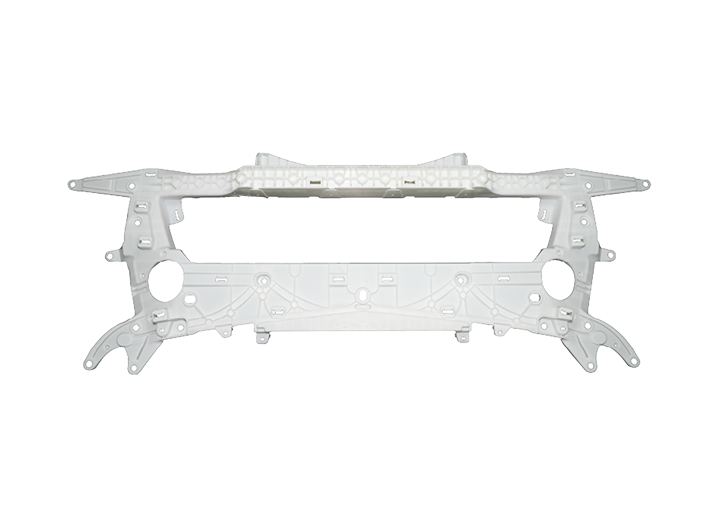
Different industries choose SLA 3D printing resin based on their project requirements. In automotive development, resin parts are often used for structural verification and design validation. In the footwear and consumer goods sector, high toughness resin supports mold testing and fit evaluation where durability during repeated adjustments is required. When users ask what type of material is used in SLA 3D printing, it is important to highlight that SLA materials are not limited to one category but include functional, flexible, and engineering-grade resins. Through our material platform, SoonSer provides resin options that support industrial SLA systems while aligning with prototyping and short-run production needs. This flexibility allows users to adapt material selection based on performance expectations and application context rather than relying on a single standard solution.
Material Selection for Production Stability
For production-focused users, material selection directly affects workflow stability and output consistency. High toughness resin is often chosen when parts need improved impact resistance or mechanical strength, while SLA 3D printing resin remains the foundation for general-purpose prototyping. At SoonSer, we design material compatibility around industrial SLA systems so users can maintain predictable printing performance across different project types. When considering what type of material is used in SLA 3D printing, it becomes clear that resin formulation and system calibration work together to ensure repeatable manufacturing results. This balance is particularly relevant for service providers who handle diverse client requirements within tight production schedules.
Conclusion
SLA technology relies on photopolymer-based materials, and both high toughness resin and SLA 3D printing resin play important roles in supporting industrial applications. At SoonSer, we focus on aligning material performance with real manufacturing needs, ensuring compatibility with SLA systems used in prototyping, design verification, and functional part production. Understanding what type of material is used in SLA 3D printing helps users select suitable resins based on durability, precision, and application requirements rather than assumptions. This material-driven approach supports more stable workflows across manufacturing, service bureaus, and creative industries.

