



How Is 3D Printing Changing the Auto Industry
16 April 2026
Industry Insights
Reliability and speed in prototyping define the modern vehicle development cycle, making additive manufacturing an essential asset on the factory floor. We have observed how traditional tooling often creates bottlenecks that delay a car's journey from a digital concept to the showroom. By integrating specialized hardware, we help teams bypass these hurdles, allowing for the rapid creation of complex geometries that were previously impossible to cast or mold. Our focus at Soonser remains on providing the mechanical precision required for functional testing, ensuring that 3D printing in automotive applications serves as a practical solution rather than just a high-tech novelty.
Accelerating the Prototype Phase
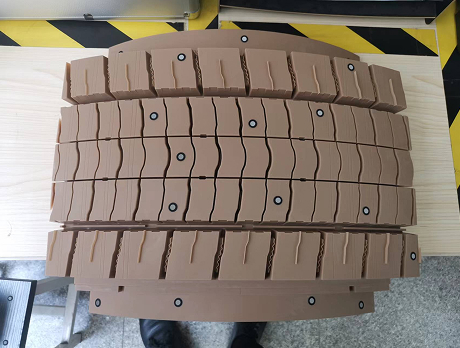
Prototyping a dashboard or a complex engine housing used to take weeks of back-and-forth with external mold makers. We developed our systems to handle these large-scale components in one go, which significantly slashes the time needed for aerodynamic testing or ergonomic fit checks. When a design team uses a 3D printer for automotive parts, they gain the ability to iterate on a Saturday and have a physical model ready for review by Monday morning. This hands-on approach allows engineers to feel the texture of a part and check tolerances in real-time, reducing the risk of expensive errors later in the mass production stage.
Streamlining Custom Tooling and Jigs
Beyond the visible parts of a car, the assembly line itself benefits immensely from custom-made aids that improve worker safety and precision. We often see manufacturing plants struggle with heavy, metal alignment jigs that are difficult to handle and expensive to replace. Using 3D printing in automotive environments allows for the creation of lightweight, nylon-reinforced nylon or resin-based assembly tools tailored to specific vehicle trims. These custom jigs can be printed on demand, meaning if a tool breaks on the line, we can help you have a replacement ready in hours. This flexibility keeps the production moving and reduces the overhead costs associated with storing thousands of physical spare tools.
Enhancing Small-Batch Production
Customization is no longer reserved for high-end luxury vehicles, as more manufacturers look for ways to offer unique interior features to a wider market. We find that a professional 3D printer for automotive parts is the perfect middle ground for producing short-run interior consoles, personalized vents, or specialized brackets. Instead of committing to a massive injection molding run for a limited edition model, car brands can print high-quality, end-use parts that meet strict durability standards. This shift toward "digital inventory" means parts can be produced exactly when needed, which clears up warehouse space and allows for much more creative freedom in the design studio.
Efficiency and customization are the primary drivers of growth within this sector, and the hardware we provide is built to meet those rigorous demands. We see a future where every automotive workshop has the capacity to manufacture its own solutions on the fly, reducing reliance on long and fragile supply chains. By focusing on the practical application of our printers, we help you ensure that every component—whether it is a simple clip or a complex air intake—meets the high-performance expectations of the road. Supporting your transition to a more agile manufacturing model is what we do at Soonser, one layer at a time.

