



Electronic Enclosure Precision Design and Small Batch Production
22 January 2026
Industry Insights
In the electronics and electrical industry, enclosure design plays a critical role in protecting internal components while supporting functional layout and visual consistency. We focus on how precise structure, material behavior, and dimensional accuracy affect real-world applications, especially when designs must move quickly from concept to physical parts. Through our experience with SoonSer, we support electronics projects that require dependable output quality, flexible design validation, and repeatable manufacturing results. From early-stage prototyping to limited runs for testing or market evaluation, our workflow is built around stable equipment performance and predictable printing behavior.
Precision Requirements for Electronic and Electrical Enclosures
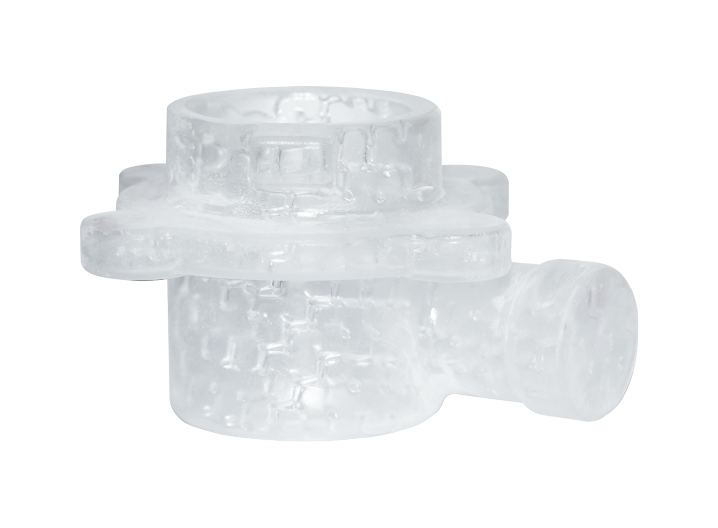
Electronic enclosures often involve thin walls, internal snap-fit features, ventilation openings, and mounting points that demand consistent dimensional control. Our approach to enclosure development emphasizes process stability rather than exaggerated performance claims. Using a high precision 3d printer, we are able to maintain fine feature definition and surface consistency across multiple builds, which is especially important for components that must align with PCBs, connectors, or fasteners. During enclosure development, we collaborate closely with manufacturing and service-oriented clients to ensure that tolerances remain realistic and suitable for downstream assembly. High precision 3d printer workflows also allow us to reduce design iteration cycles by delivering predictable results that engineers can evaluate with confidence.
Supporting Small Batch Production in Electronics Applications
Beyond design validation, many electronics projects require limited quantities for functional testing, pilot production, or customized variants. Our system is well suited for small batch production, where consistency between parts matters more than volume. We see small batch production as a practical bridge between prototype and mass manufacturing, enabling clients to verify fit, function, and appearance without committing to tooling too early. In electronics enclosure projects, small batch production helps teams assess assembly efficiency, cable routing, and heat dissipation using real components. By maintaining stable printing conditions and controlled material behavior, we help ensure that each batch reflects the same dimensional and surface characteristics, supporting reliable evaluation and presentation.
Conclusion: Practical Manufacturing Value Through Stable Printing
For electronics and electrical enclosure projects, precision and reliability are not abstract concepts but daily manufacturing requirements. We believe that stable equipment performance, repeatable output, and process transparency form the foundation of effective enclosure development. By combining precise printing workflows with flexible production planning, we support both detailed enclosure design and small batch production without unnecessary complexity. Our work with electronics applications reflects a practical understanding of manufacturing needs, helping designers, service providers, and creative teams move forward with confidence while maintaining control over quality, timing, and design intent.

