



Industrial-Grade SLA Resin 3D Printers: Key Considerations for Choosing the Right Model
7 December 2025
Industry Insights
3D printing has revolutionized manufacturing processes across industries, and industrial-grade SLA printers have been particularly impactful in creating high-detail, precision parts. If you're considering purchasing an SLA 3D printer, there are several key factors to keep in mind to ensure you get the right one for your needs. At SoonSer, we offer various 3D printing solutions, including the SLA Resin (S-ST5001), which stands out for its exceptional quality and reliability. In this article, we'll delve into the key aspects of selecting the right resin printer, from physical properties to application versatility.
Understanding the Physical Properties of SLA Resin
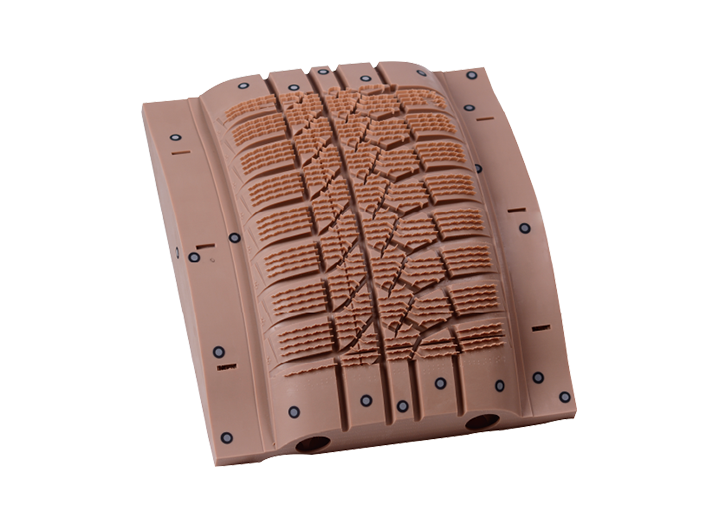
When selecting the best resin 3D printer, one of the most important factors to consider is the resin's physical properties. For example, SoonSer's SLA Resin (S-ST5001) is coffee-colored and offers high finesse, ideal for displaying intricate details and complex textures. The resin’s density of 1.11~1.15g/cm³ at 25℃ ensures robustness, while its viscosity of 405~500 cps at 25℃ allows smooth flow during printing. These properties ensure that the prints will be both precise and durable, making them ideal for industries that demand high levels of accuracy.
Additionally, the depth of curing of the resin is crucial. With a depth of 0.135~0.152 mm, the SLA Resin (S-ST5001) guarantees sharp, clear layers with minimal surface roughness. This is a key consideration when choosing an SLA printer that will provide high-quality results for both functional prototypes and end-use parts.
The Impact of Layer Thickness and Exposure Time
Another critical factor when evaluating a 3D printer is its layer thickness and exposure time settings. SLA printers that allow for thin layers—typically ranging from 0.05~0.12 mm—enable the production of high-resolution prints. The SoonSer SLA Resin (S-ST5001) is compatible with printers that allow for these precise settings, giving users the flexibility to create detailed and accurate prints.
The critical exposure time also plays an important role in determining the quality of prints. For the SLA Resin (S-ST5001), the exposure time ranges between 8.9 to 9.5mJ/cm². This ensures that each layer is sufficiently cured, which is essential for ensuring the final product’s strength and dimension accuracy. Adjusting this exposure level allows for greater control over the print’s details and overall finish.
Finding the Right Printer for Your Needs
Choosing the key factors 3D printer involves understanding how different printers handle these various factors. For industrial applications, it’s crucial to select a printer that offers precision and versatility. SLA printers that support resins like SLA Resin (S-ST5001) are ideal for industries such as manufacturing, 3D printing services, and art, where both intricate designs and durability are required.
When choosing a 3D printer, consider the scale of your projects, the type of materials you need, and your budget. At SoonSer, we provide reliable 3D printing solutions for a wide range of industries. Whether you're prototyping complex parts or creating detailed models, we have options tailored to your specific needs.
Conclusion
When purchasing an industrial-grade SLA resin 3D printer, it’s crucial to look beyond just the printer's features. The resin you use, such as SoonSer's SLA Resin (S-ST5001), will play a vital role in ensuring the quality and precision of your prints. Consider factors like layer thickness, exposure time, and the resin's physical properties to choose the right printer for your needs. With the right equipment, you can achieve exceptional results for your manufacturing, prototyping, and artistic endeavors.

