



Choosing the Right Industrial 3D Printer for Your Business: SLA vs LCD
6 December 2025
Industry Insights
When considering an industrial 3D printer, two common choices are SLA (Stereolithography) and LCD printers. Both have their strengths, but deciding which one suits your needs depends on several factors. At SoonSer, we understand the importance of making the right choice for your manufacturing, 3D printing service, or artistic projects. In this industrial 3D printer buying guide, we’ll dive into the differences between SLA and LCD technologies, helping you make an informed decision for your business.
Understanding SLA Printers: Precision and Clarity
SLA printers are known for their high-precision and excellent clarity, making them ideal for projects requiring fine detail. SLA (Stereolithography) uses a laser to cure liquid resin layer by layer, creating highly accurate and smooth prints. If your business involves creating intricate designs, prototypes, or products that require exceptional transparency and strength, SLA printers might be your go-to choice.
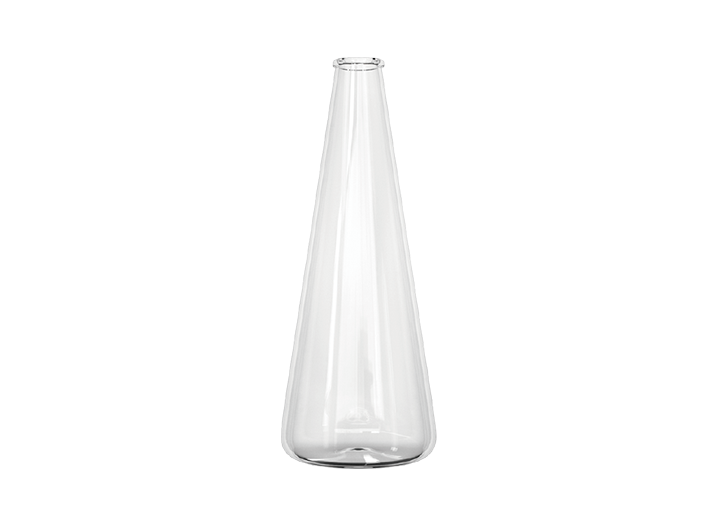
For example, SoonSer's SLA Resin (S-CL7001) offers a high transparency finish, ideal for high-detail prototypes, models, and delicate products. This resin features superior strength and toughness, ensuring that prints are not only visually clear but also durable. Whether you’re printing transparent objects or intricate parts, SLA provides a level of detail that can’t easily be matched by other technologies. This model also resists yellowing over time, making it a reliable choice for long-lasting prints.
Exploring LCD Printers: Fast and Affordable Options
On the other hand, LCD printers are known for their speed and affordability. These printers use an LCD screen to cure the resin layer by layer, offering a faster printing process compared to SLA. This makes them a cost-effective solution for larger-scale production where speed is critical, but ultra-fine detail may not be as important.
LCD printers tend to be a great choice for businesses that need quick turnaround times and are working on simpler designs. Although the resolution might not match the SLA printers' level of detail, LCD technology still offers solid performance for many applications. If you are producing large quantities of products or designs that do not require as much precision, an LCD printer could provide a good balance between speed and cost-effectiveness.
Factors to Consider When Choosing Between SLA and LCD
When deciding between SLA vs LCD 3D printers, there are several factors to keep in mind. One important aspect is the resolution. SLA printers generally offer higher resolution, which is crucial for industries like jewelry making, medical modeling, and engineering prototyping. If your business focuses on creating highly detailed products or prototypes, SLA might be the better fit.
Another consideration is maintenance and ease of use. SLA printers typically require more attention in terms of cleaning and resin handling. However, SoonSer’s SLA Resin (S-CL7001) is designed for easy handling and cleaning, making the process smoother for businesses.
Finally, consider the cost-effectiveness and production speed. While LCD printers may have a lower upfront cost and faster production speeds, SLA printers are ideal for businesses where quality and precision come first. The right choice depends on your specific needs, whether you prioritize detail, speed, or overall efficiency.
Conclusion
At SoonSer, we understand the challenges businesses face when selecting the right industrial 3D printer. Whether you choose an SLA printer or an LCD printer, the decision should be based on your production needs, the level of precision required, and the budget available. For industries requiring high detail and transparency, such as engineering, art, and medical industries, SLA printers with high-quality resins like S-CL7001 will provide the reliability and clarity you need. For larger production volumes with less focus on fine detail, LCD printers offer a more cost-effective option. Choose wisely, and ensure your choice supports your business goals.

