



Consumer Electronics Prototyping Benefits from 6K 3D Printers
16 January 2026
Industry Insights
As product cycles shorten, the SoonSer team focuses on practical methods that help us respond to rapid changes in the consumer electronics market. By integrating 3d printing in electronics industry workflows into our development process, we are able to create prototypes that reflect real design intent without unnecessary delay. Our work with a 6k 3d printer supports product teams that need accurate geometry, clean surface quality, and stable output for concept checks. At this stage, what matters to us is dependable performance rather than exaggerated claims, so we structure our printing tasks around repeatable results and steady production conditions.
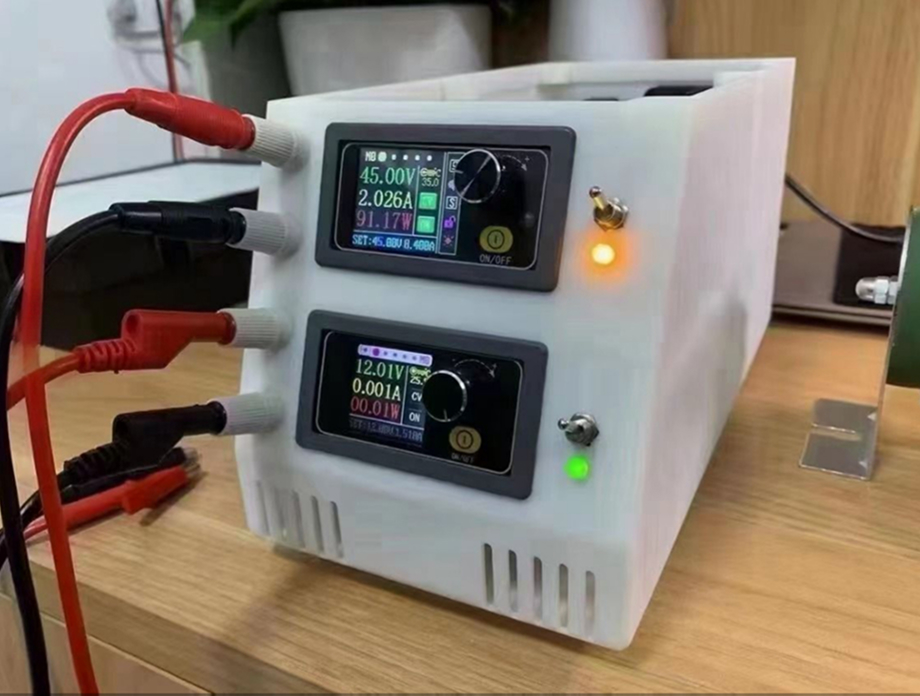
How We Apply 6K SLA Technology to Electronics
Our approach to prototyping is grounded in actual manufacturing needs. When we use 3d printing in electronics industry applications for early-stage consumer devices, we rely on the broader build space and fine resolution provided by a 6k 3d printer to shape housings, button layouts, connectors, and small structural elements. The high pixel density helps us review subtle design transitions that may affect assembly or final appearance. At the same time, SLA 3D Printing for Electronics allows us to manage internal features that are difficult to model using traditional methods. Because we work directly with the files from our design teams, this method lets us move from idea verification to basic functional testing without additional tooling or labor. This balance of detail and workflow efficiency is one of the reasons we continue refining our resin-based prototyping process.
Supporting Manufacturing, Service Providers, and Creative Fields
Many of our customers come from manufacturing, 3D printing service operations, and art-related industries, so stability is essential. When we prepare electronic prototypes through 3d printing in electronics industry use cases, our 6k 3d printer setup helps us maintain structural accuracy even when dealing with thin-wall parts or multi-component assemblies. For teams in automotive electronics or small appliance development, this consistency simplifies early evaluations of part fit and ergonomic considerations. For service providers, our resin workflow helps them deliver consistent project timelines without major adjustments. For creative users, the surface quality from our SLA process supports visually refined models that align with their presentation needs. Throughout these tasks, we rely on our printing system’s steady operation rather than highlight any claim of superiority.
Conclusion
As our company advances its electronics-focused development work, the combination of SLA 3D Printing for Electronics and the capabilities of a 6k 3d printer helps us manage both design exploration and functional review. By using these tools in a practical and methodical way, we support teams that need clarity, precision, and stable output. Whether the project involves consumer devices, components for manufacturing, or specialized design work, we continue applying these methods to strengthen our prototyping process and maintain reliable progress across our applications in the electronics field.

