



How CST Improved Prototype Development with SoonSer's Large-Format Industrial 3D Printer
22 September 2022
Case Studies
Zhejiang Constant Power Machinery Co., Ltd. (CST) develops and manufactures customized engines, generators, and integrated mechanical components. To improve its product development process and reduce reliance on outsourced prototyping, CST adopted SoonSer's large-format industrial 3D printing solution.
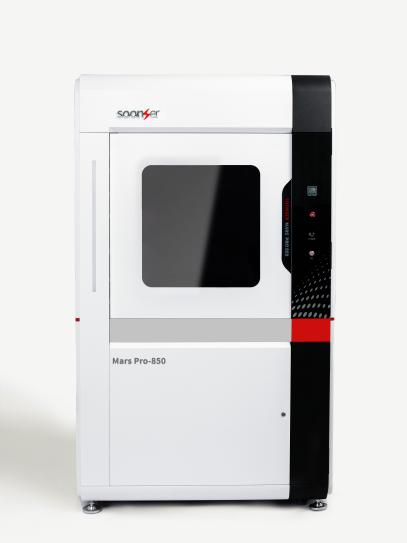
By bringing prototype production in-house, CST gained greater control over sample development and design evaluation. The SoonSer Mars Pro 850 industrial SLA 3D printer supports the production of components for product development and verification, including electrical enclosures and generator-related parts.
The Challenge: Outsourcing Delays in Prototype Development
For industrial equipment manufacturers like CST, physical prototypes play an important role in evaluating product designs before mass production. They help R&D teams review component geometry, assembly fit, and spatial layout during development.
However, outsourcing prototype production can introduce additional scheduling and communication challenges. When designs require repeated evaluation and adjustment, depending on external suppliers can make the development process less flexible and increase prototyping costs.
CST needed a more controllable approach to prototype production, particularly for customized mechanical components and larger parts used in generator and engine development.
“Choosing SoonSer 3D printer is mainly for the sake of time and cost. “Director Yue said.
The Solution: Bringing Large-Format Prototyping In-House
In 2022, CST adopted the SoonSer Mars Pro 850, an industrial SLA 3D printer with a maximum build volume of 850 × 850 × 500 mm.
The system provides a large build area for producing prototype components and supports a more flexible in-house development workflow.
Key considerations included:
Large build volume: The 850 × 850 × 500 mm build volume supports the production of large prototype components, helping accommodate parts with different dimensional requirements.
Material selection: CST uses S-ST9001 resin, an ABS-like material known for its surface quality, for selected prototype applications.
Greater process control: In-house 3D printing gives the R&D team more direct control over prototype scheduling and access to physical samples for design evaluation, reducing dependence on external suppliers.
By integrating industrial 3D printing for prototyping into its workflow, CST can produce samples internally and gather feedback to support product development.
Applications: From Electrical Enclosures to Generator Components
CST uses the Mars Pro 850 in product development and verification workflows involving a range of electrical and mechanical components.
The documented applications include:
Part | Approximate dimensions | Application |
LED casing | 60 × 40 mm | Electrical enclosure prototyping |
Alarm casing | 150 × 80 mm | Enclosure design evaluation |
CO module controller installation box | 120 × 120 mm | Controller housing development |
Generator-related components | Large-format parts | Product development and verification |
These examples demonstrate how industrial SLA 3D printing can support the development of customized enclosures and mechanical components with different size and design requirements.
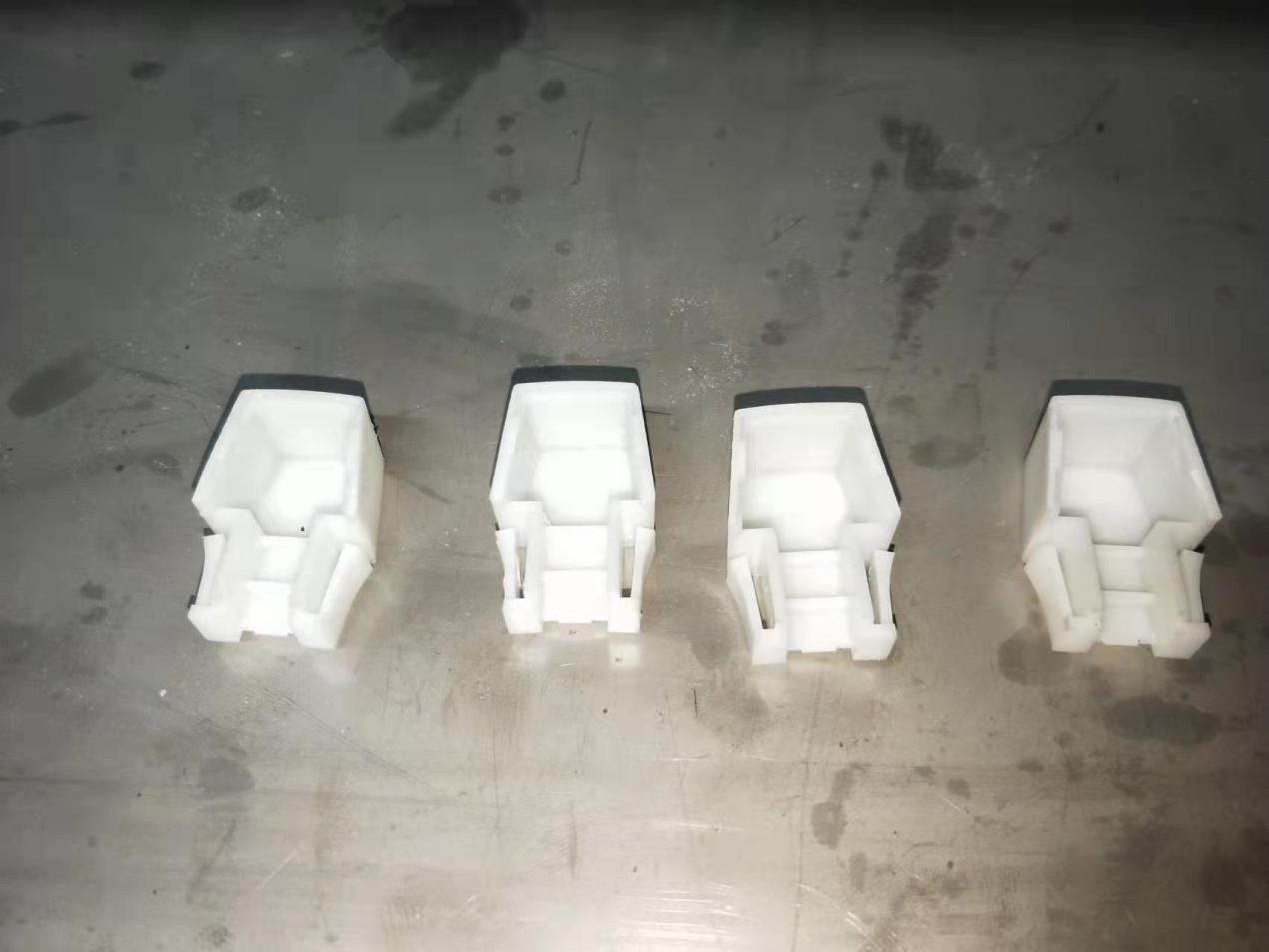
Model: LED casing
Size:60mm*40mm
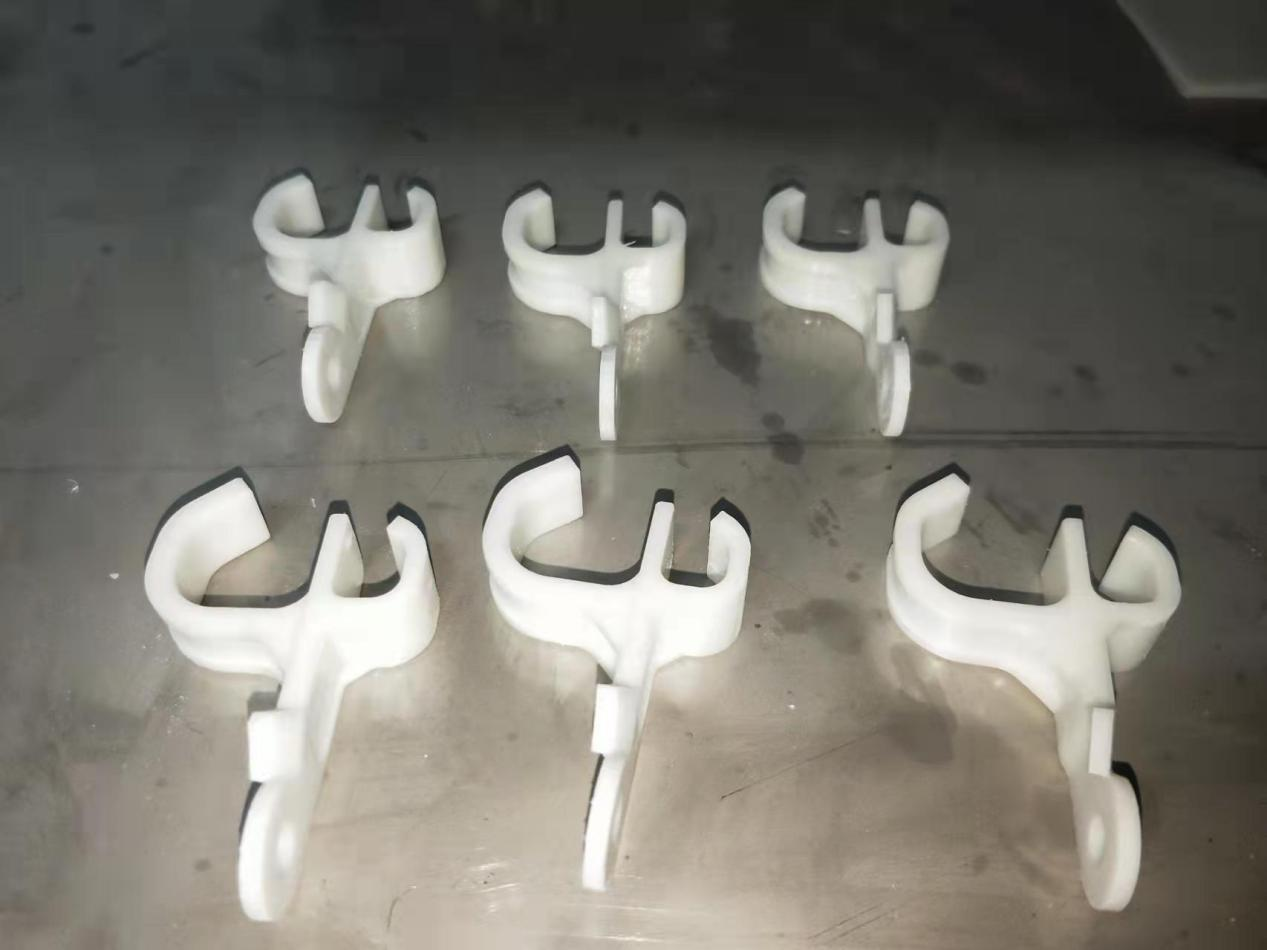
Model: alarm casing
Size:150mm*80mm
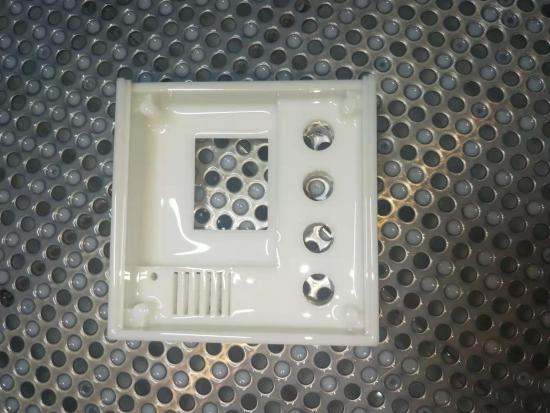
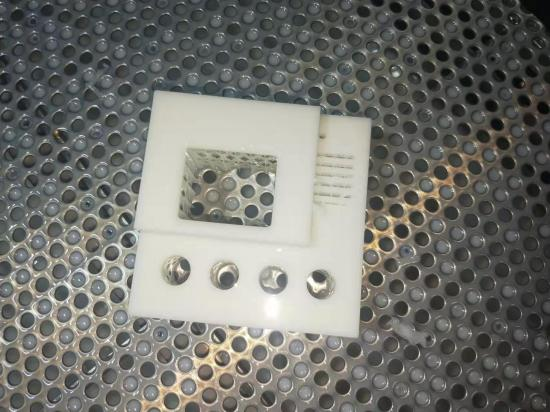
Model:CO module controller installation box
Size: 120mm*120mm
Supporting the Development of Generator Components
In addition to smaller electrical enclosures, CST uses 3D printing to produce larger generator-related parts, including an oil tank upper shell, panel rear cover, rear cover maintenance window, and air filter air guide cover.

Model display of large-size generator housing
Producing physical prototypes allows the development team to review part geometry and spatial arrangement during product development. The suitability of each printed component depends on its intended use, material properties, and verification requirements.
CST has also reported a 500-hour high-temperature verification test involving a generator set. The specific test conditions and the role of individual printed components should be considered when interpreting the results.
Results: Greater Control Over the Prototyping Process
Adopting in-house industrial 3D printing has helped CST reduce its dependence on external prototype suppliers and gain more direct control over product development.
Key benefits include:
More flexible prototyping: Internal production gives the R&D team greater control over prototype scheduling and sample availability.
Reduced reliance on external suppliers: Producing selected prototypes in-house can reduce the scheduling and communication dependencies associated with outsourced production.
Support for design evaluation: Physical samples help engineers review component geometry, dimensions, and spatial layout during product development.
Flexible production of customized parts: Large-format SLA printing supports the development of components with different shapes and sizes without requiring a dedicated mold for every printed prototype.
The value of these benefits depends on part geometry, material requirements, production volume, and the comparison between in-house printing and alternative manufacturing methods.
Why Consider the SoonSer Mars Pro 850?
CST's application illustrates several factors manufacturers may consider when selecting a large-format SLA 3D printer for product development:
Build volume: A large build area can accommodate a wider range of prototype dimensions.
Material suitability: Resin selection should match the required surface quality, dimensional performance, and intended testing conditions.
Workflow flexibility: In-house prototyping can help R&D teams manage sample production and design evaluation with greater control.
Application range: The system can support the development of electrical enclosures, mechanical components, and other customized prototypes, subject to application requirements.
For manufacturers developing generators, engines, electrical equipment, and customized industrial products, these considerations can help determine whether large-format SLA 3D printing is appropriate for their prototyping workflow.
Explore Large-Format Industrial 3D Printing with SoonSer
If your team regularly outsources prototype components or needs to evaluate large, customized parts during product development, bringing selected prototyping processes in-house may offer greater flexibility.
Explore SoonSer's 3D printer product range or contact our team to discuss your part dimensions, material requirements, surface finish expectations, and application needs. Our team can help you evaluate a suitable industrial 3D printing solution for your development workflow.

