



How SLA 3D Printing Improves Tire Mold Manufacturing
16 January 2024
Case Studies
Case Overview: Tire Mold 3D Printing
Jincheng Machinery adopted SoonSer’s TM-600 Pro SLA 3D printer for tire mold manufacturing, enabling complex tread pattern production with a reported dimensional deviation of ±0.05 mm in tire tread grooves. This industrial 3D printing solution also helps reduce mold-making material costs, with reported savings of nearly RMB 10,000 per mold.
The Challenge: Complex Tire Mold Manufacturing
With the rapid development of the automotive industry, tire performance requirements continue to increase, and tire designs continue to evolve. To adapt to different road conditions and driving scenarios, tire tread patterns are becoming increasingly complex and diverse. Although traditional five-axis CNC machining offers high precision, it can be challenging to machine tire molds with complex patterns, multiple radii, and different angles. In addition, subsequent manufacturing processes are labor-intensive, creating a need for more efficient manufacturing solutions.
Tire molds have highly customized designs, making them well suited to 3D printing in the automotive industry. With the growing maturity of SLA 3D printing technology and SoonSer's extensive experience in digital industrial manufacturing, SoonSer provides tailored solutions to address the challenges of tire mold production. An industrial automotive 3D printer can support the production of complex mold designs while offering greater manufacturing flexibility.
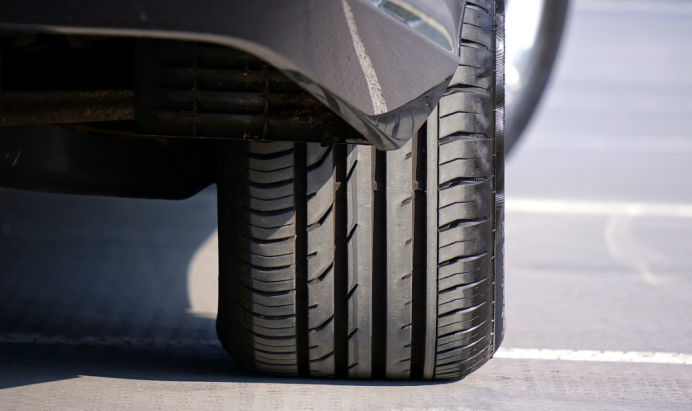
Jincheng Machinery Introduces an Industrial SLA 3D Printer for Tire Mold Manufacturing
Jincheng Machinery Technology Co., Ltd. (hereinafter referred to as "Jincheng Machinery") specializes in the research, development, production, and sales of precision tire molds for automotive applications in Jiangsu, China. Its products serve major tire manufacturers worldwide.
Jincheng Machinery has long been at the forefront of the industry and was among the early adopters of CNC machining equipment. As the company expanded and customer requirements became increasingly diverse, however, traditional five-axis equipment could no longer fully meet its production needs.
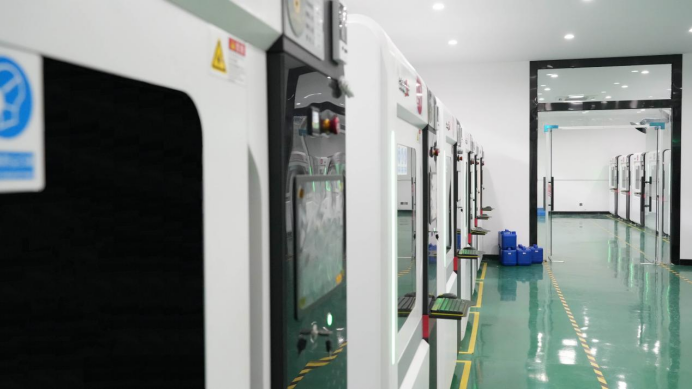
Jincheng Machinery's SLA equipment
As the company explained:
"Jincheng Machinery has always been at the forefront of the industry, and we were among the first companies to introduce CNC processing equipment. This device has a high processing accuracy and can meet our daily production needs. However, as the industry has evolved and Jincheng has expanded in scale, customer demand has become increasingly diverse, and five-axis equipment has gradually become insufficient for production needs. On one hand, CNC cutting cannot meet the processing needs of complex molds. On the other hand, manually inserting steel sheets during CNC-based manufacturing requires high costs and considerable working time. After analyzing production efficiency, labor costs, and other factors, we decided to introduce a large-format SLA industrial 3D printer for production."
To address these challenges, Jincheng Machinery introduced SoonSer's TM-600 Pro, a large-format industrial SLA 3D printer, to establish a tire mold 3D printing production line.
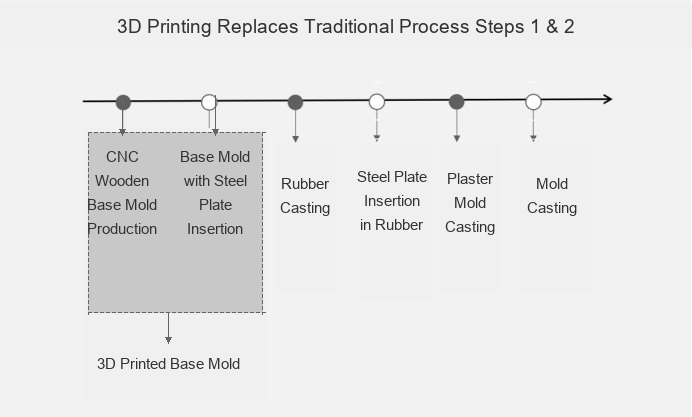
Three Advantages of 3D Printing for Tire Mold Manufacturing
The design and production of tire mold patterns present significant challenges for the industry. 3D printing for tire molds offers an alternative to conventional CNC-based manufacturing. In Jincheng Machinery's production process, 3D printing replaces the initial stages of traditional mold production involving the base mold, reducing the need for manual steel plate insertion.
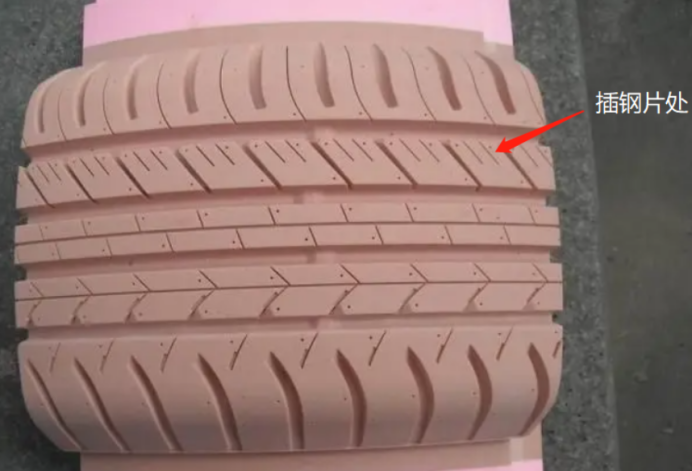
Display image of a wooden base mold with manually inserted steel plates
Compared with CNC cutting, 3D printing offers three major advantages:
1. Print Complex Patterns That CNC Cannot Machine
3D printing reduces the limitations associated with conventional CNC machining when producing complex geometries. Tire mold patterns based on 3D model data can be printed with complex shapes, helping manufacturers produce a wider variety of tire tread patterns.
2. Streamline Production with Integrated Steel Plate Data
The 3D-printed mold incorporates steel plate data, allowing it to proceed directly to rubber turning for subsequent processing within the described production workflow.
3. Cut Material Costs by ~¥10,000 per Mold
Traditional CNC-based mold production requires wooden base molds and manually inserted steel plates, which involve considerable manual labor. By using 3D printing to replace the relevant production stages, manufacturers can reduce these material requirements.
According to the original case, the cost of wooden materials and steel plates alone can be reduced by nearly RMB 10,000 per mold, excluding labor costs.
Printing Accuracy and Stability in SLA Tire Mold 3D Printing
Printing accuracy and stability are critical to SLA 3D printing for tire mold manufacturing. Based on market research and data analysis, Jincheng Machinery identified these as two of the most important factors in tire mold production. The company had previously used 3D printers from other brands but found that their stability and printing results did not fully meet its requirements. It therefore decided to introduce SoonSer equipment more extensively for tire mold production.
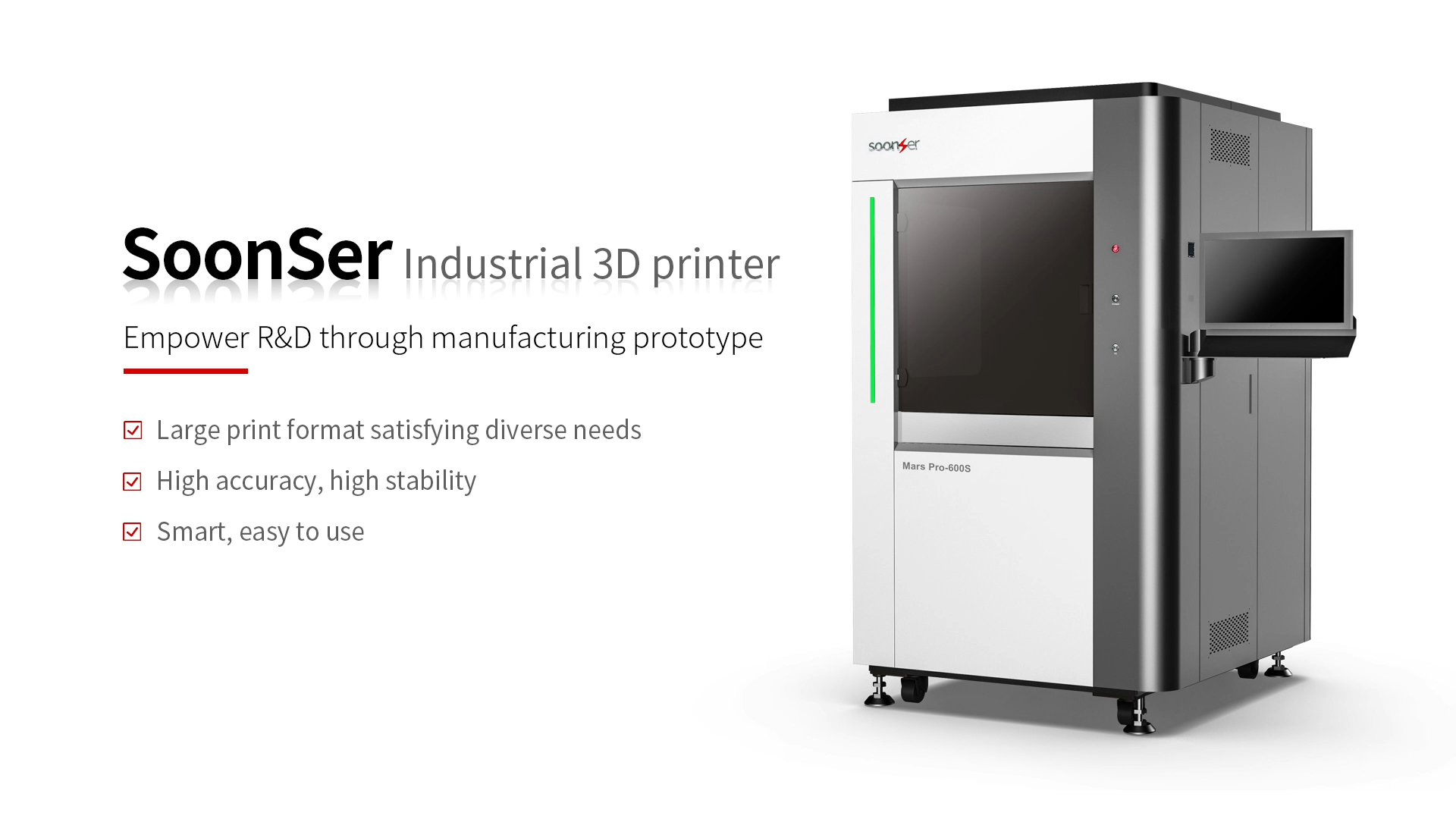
Specification | TM-600 Pro |
Maximum Part Volume | 600 × 600 × 400 mm |
Accuracy | ±0.05 mm to ±0.1 mm |
Equipment Dimensions (W × D × H) | 1520 × 1320 × 1970 mm |
Printer Weight | 1000 kg |
Advancing Tire Mold Manufacturing with Industrial 3D Printing
SoonSer provides industrial SLA 3D printing solutions for manufacturers seeking to produce complex tire molds. By offering an alternative to conventional CNC-based processes, SLA 3D printing can help improve design flexibility and reduce certain material costs.
As tire designs and manufacturing requirements continue to evolve, industrial 3D printing offers tire mold manufacturers another option for addressing complex geometries and improving production flexibility.
Looking for an industrial SLA 3D printer for tire mold manufacturing? Explore SoonSer's industrial SLA 3D printing solutions or contact our team to discuss your application requirements and find a suitable solution.

