



Why Resin Viscosity Matters for Large-Scale SLA Printing Success
27 May 2026
Industry Insights
Large-format SLA production depends heavily on stable material behavior from the very beginning of the printing process. At SoonSer, we observe that resin performance directly influences whether a print job can maintain consistency across long build cycles and complex geometries. In industrial workflows, SLA printing resin functions as a critical factor affecting layer formation, recoating smoothness, and final surface quality. When evaluating why viscosity matters for large SLA printing success, it becomes evident that controlled flow is essential to keep output predictable across wide build platforms. At the same time, SLA 3D printing materials need to maintain balanced physical properties so that each layer can settle evenly without disrupting structural accuracy or production stability.
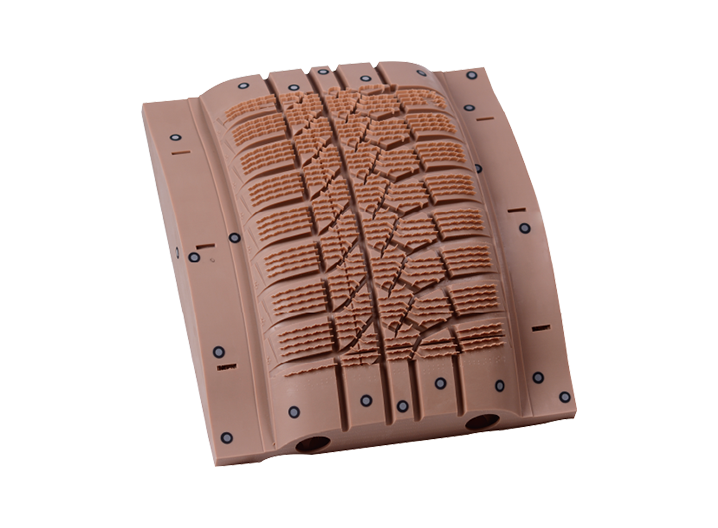
Resin Flow Behavior and Print Stability
In large industrial platforms, the movement and spreading of resin directly influence how each layer is formed. If SLA printing resin is too thick, it may not level properly across a wide build platform, which can lead to uneven exposure or incomplete layer formation. On the other hand, overly thin materials can cause instability in fine structures during curing. This balance is especially important in applications such as automotive components, footwear molds, and engineering prototypes, where dimensional consistency is required across large surfaces. At SoonSer, we design our systems to work with optimized SLA 3D printing materials, helping users maintain predictable flow behavior during long production cycles. Stable viscosity ensures that resin recoating remains consistent, which supports repeatable outcomes in industrial environments where production reliability matters more than experimental variation.
Material Compatibility in Industrial SLA Systems
In real manufacturing settings, material compatibility is just as important as machine performance. Our systems are designed to operate with carefully formulated SLA printing resin that supports both detailed structures and large-format builds. When viscosity is properly controlled, the resin can move smoothly across the build area, allowing each layer to settle evenly before curing begins. This is particularly relevant in service bureaus that handle multiple job types in a single production workflow. With a stable range of SLA 3D printing materials, users can reduce interruptions caused by recoating inconsistencies or uneven surface formation. In addition, material consistency helps maintain predictable post-processing results, which is important for teams handling functional prototypes and design validation parts.
Application Needs Across Manufacturing and Creative Fields
Different industries place different demands on resin performance, especially when scaling from small prototypes to large production models. In automotive development, for example, SLA printing resin must maintain stability across extended builds for mold testing and design verification. In artistic and design applications, surface quality becomes equally important, requiring controlled flow behavior to preserve fine details. At SoonSer, we provide material solutions such as those listed in our SLA resin material range, designed to support both technical and creative workflows. These SLA 3D printing materials are used across manufacturing, service production, and design exploration environments where repeatable results are essential for daily operations.
Conclusion: Viscosity as a Core Factor in Reliable Output
Ultimately, resin viscosity is not just a material property but a practical factor that influences overall production success in SLA printing. At SoonSer, we observe that stable SLA printing resin behavior helps reduce printing inconsistencies, especially in large-format applications where even small variations can affect the final outcome. By maintaining controlled performance across SLA 3D printing materials, users in manufacturing, service bureaus, and creative industries can achieve more predictable workflows and fewer interruptions during production. This makes viscosity control an important consideration when evaluating material choices for industrial SLA systems.

