



Five Key Hardware Indicators to Prioritize When Buying an Industrial 3D Printer in 2026
3 April 2026
Industry Insights
Here are five hardware-centric metrics that separate a dependable production machine from a marketing promise. Purchasing an industrial 3D printer is a decision that centers on long-term production reliability and measurable output quality. At Soonser, we have helped countless manufacturing hubs and 3D printing service providers move past the flashy marketing and focus on the gritty mechanical details that actually keep a factory running. To ensure your investment pays off, we believe you should look closely at specific hardware standards that define true industrial-grade performance.
Structural Stability and Platform Precision
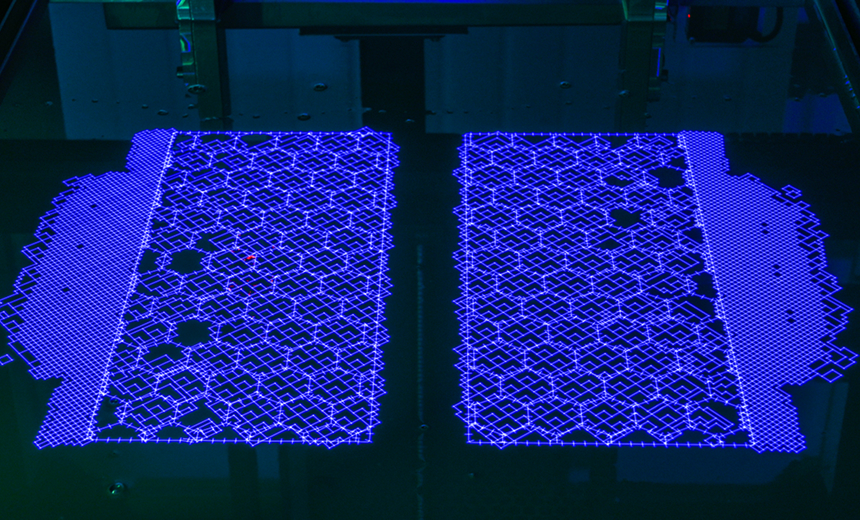
Mechanical rigidity is the hidden hero of high-quality parts, especially when working with large-scale resin prints. We often tell our partners that an industrial SLA 3D printer is only as good as its foundation, which is why we use high-precision marble platforms in our Mars Pro series. This material choice isn't just for show; it prevents the minute vibrations and thermal expansions that cause layer misalignment in metal-framed machines. When we produce intricate artistic sculptures or high-tolerance industrial jigs, this heavy-duty base ensures that the first layer is as accurate as the thousandth.
Variable Spot Scanning Efficiency
Production speed must be balanced with fine surface detail to meet the rigorous demands of modern manufacturing sectors. We have integrated VarioSpot technology into our industrial 3D printer systems to allow the laser to adjust its focus dynamically during the print process. This means we can use a broader beam for internal structural filling and a razor-sharp beam for the exterior skin. In a busy service bureau environment, this practical feature allows us to slash lead times by nearly 30% without sacrificing the crisp edges our clients expect.
Large-Scale Build Volume Versatility
Capacity needs to match your most ambitious projects so you can avoid the headache of splitting and bonding multiple parts. We designed our industrial SLA 3D printer lineup with diverse build envelopes, reaching up to 1600mm, to accommodate everything from full-size automotive dashboards to mass-produced footwear molds. By utilizing a massive build plate, we enable users to nest dozens of different jobs in a single overnight run, which optimizes resin usage and reduces the manual labor involved in starting and stopping smaller machines.
Material Openness and Hardware Durability
Hardware longevity and the freedom to innovate with different resins are essential for a future-proof workshop. We maintain an open material philosophy for every industrial 3D printer we build, giving you the power to source specialized resins for high-temp or high-strength applications. Beyond the chemistry, we focus on durable components like premium galvanometers and long-life lasers. From our experience, a machine that can handle a wide variety of materials while requiring minimal maintenance is the most valuable tool in any production line.
Investment success in 3D printing comes down to how well the machine handles the daily stress of a professional environment. By focusing on these five hardware-centric metrics, you can secure a system that delivers consistent results year after year. We are committed to sharing our hands-on expertise at Soonser to help you find a solution that keeps your production moving forward without technical interruptions.

