



Industrial-Grade 3D Printers: Eco-Friendly Manufacturing in Practice
5 April 2026
Industry Insights
At SoonSer, we recognize the importance of sustainability in the manufacturing process, especially as environmental concerns become increasingly pressing. The integration of 3D printing environmental benefits into industrial manufacturing not only creates a positive impact on our planet but also enhances the efficiency and precision of the production process. Additive manufacturing is reshaping industries by providing a greener alternative to traditional manufacturing methods. This article explores the environmental advantages of 3D printer additive manufacturing, focusing on industrial-grade 3D printers such as the SoonSer models.
Optimizing Material Usage for Sustainable Production
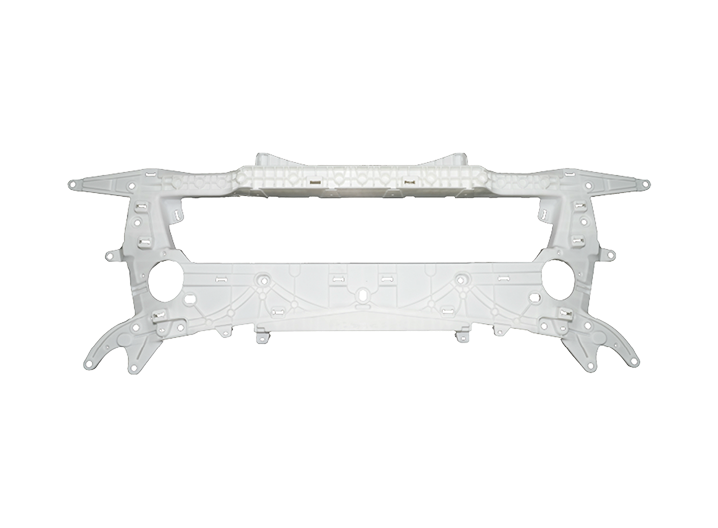
One of the most significant 3D printing environmental benefits lies in the optimization of material usage. Traditional manufacturing processes often involve significant material waste, particularly with subtractive methods like CNC machining. With 3D printer additive manufacturing, materials are deposited layer by layer, which minimizes waste. This precise material usage helps to conserve resources and reduce the overall carbon footprint of production. At SoonSer, we prioritize this aspect by ensuring that our SLA Resin (S-ST9001) material is both efficient and eco-friendly. Our white general-purpose resin offers excellent surface finishes with minimal waste, making it a suitable choice for various applications in industrial production.
Energy Efficiency in 3D Printing
Another notable 3D printing environmental benefit is the reduction in energy consumption compared to conventional manufacturing methods. Traditional processes, such as injection molding or CNC machining, require high temperatures and long production times, consuming significant amounts of energy. In contrast, 3D printer additive manufacturing uses controlled heat and a layer-by-layer approach, which can often result in lower energy usage overall. This energy efficiency is particularly crucial for industries focused on reducing operational costs and minimizing their environmental impact. At SoonSer, we continuously work to improve the energy efficiency of our 3D printers, contributing to both cost savings for our clients and a greener environment.
Supporting the Circular Economy through 3D Printing
3D printing environmental benefits extend beyond the immediate production process. One of the key advantages of 3D printer additive manufacturing is its support for the circular economy model. This manufacturing approach enables the easy recycling and reusing of materials, which helps to close the loop on material waste. SoonSer actively promotes the reuse of SLA Resin (S-ST9001) waste, allowing manufacturers to recycle the resin and produce new components, reducing the need for virgin materials. By supporting this approach, companies can embrace sustainable practices that benefit both their bottom line and the planet.
Conclusion
In conclusion, the 3D printing environmental benefits of industrial-grade printers are clear, especially in terms of reduced material waste, energy efficiency, and support for the circular economy. At SoonSer, we are committed to promoting sustainable manufacturing practices through 3D printer additive manufacturing. As industries continue to prioritize environmental responsibility, adopting 3D printing technologies will be key to creating a more sustainable future for manufacturing. With advancements in materials like SLA Resin and the continuous development of energy-efficient printers, we at SoonSer look forward to supporting industries in their transition to more eco-friendly and efficient production methods.

