



Automotive Prototype: Rapid Iteration from Concept to Function Testing
17 February 2026
Industry Insights
The automotive industry faces constant pressure to innovate, respond to market demands, and meet regulatory standards, all while maintaining efficiency. One of the most transformative developments in this landscape is automotive rapid prototyping, which enables manufacturers to advance from concept to functional testing in record time. This approach not only accelerates the design process but also enhances the quality and performance of automotive components.
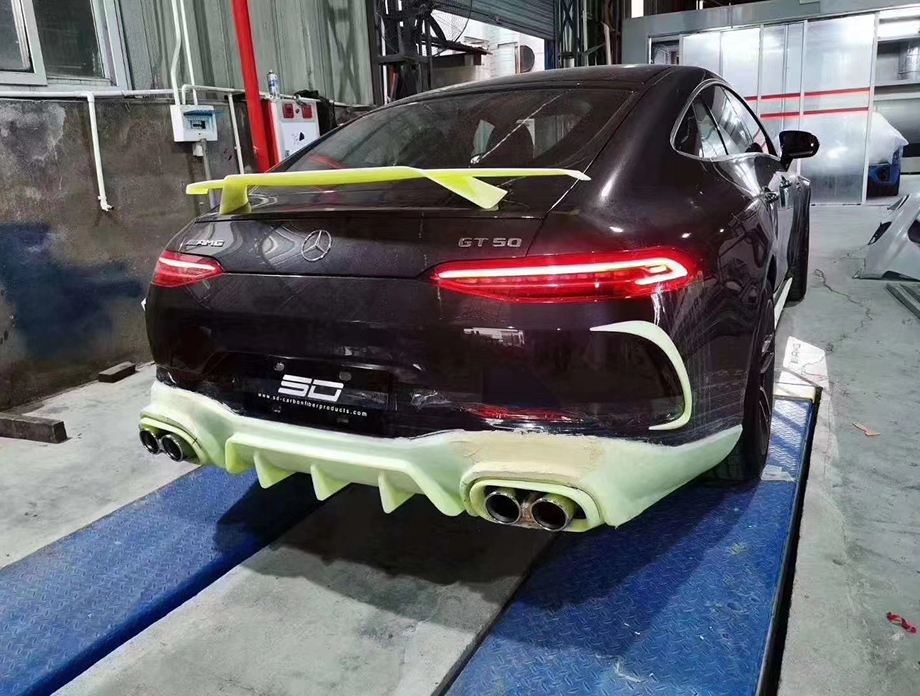
The Power of Rapid Prototyping
Automotive rapid prototyping takes advantage of advanced techniques, notably 3D printing in automotive industry. Using technologies like Stereolithography (SLA), manufacturers can create prototypes in less than 24 hours, significantly speeding up the development timeline. This rapid feedback loop allows engineers to test and refine designs quickly, which is crucial in an environment where consumer expectations and regulatory requirements are continually evolving.
By integrating 3D printing into the prototyping phase, automotive companies can evaluate multiple design iterations without extensive lead times or costs. This flexibility supports the exploration of innovative shapes and functionalities that might have been dismissed in traditional manufacturing processes, thereby fostering creativity and enhancing product design.
Precision and Cost Efficiency
Another remarkable benefit of automotive rapid prototyping is the ability to produce complex geometries with high precision. SLA technology ensures that each prototype is an accurate representation of its intended design, allowing for thorough testing of fit, form, and function. This high degree of accuracy minimizes the risk of errors later in the production process, which can be costly and time-consuming to rectify.
Moreover, embracing 3D printing in the automotive industry can lead to considerable cost savings—up to 90% in some cases. Traditional manufacturing often involves expensive tooling and long lead times, whereas 3D printing eliminates many of these costs through its additive nature. This financial efficiency enables automotive companies to allocate resources toward other innovative projects or improvements within their operations.
Customization and Flexibility
Rapid prototyping also offers unparalleled flexibility in customization. Automotive manufacturers can easily produce custom or small-batch parts, catering to the specific needs of clients or niche markets. This agility is increasingly vital as the industry shifts toward more personalized vehicles and diverse consumer preferences. Whether developing unique components for high-performance cars or creating specialized tools for assembly lines, 3D printing enables manufacturers to adapt swiftly.
Partnering for Success with SoonSer
At SoonSer, we acknowledge the critical role that automotive rapid prototyping plays in accelerating innovation and efficiency within the automotive sector. Our industrial SLA 3D printers deliver high precision, allowing manufacturers to streamline their design and production processes effectively. With options for large-format and resin 3D printing, our technology supports the entire spectrum of automotive applications—from rapid prototyping to custom tooling.
We are committed to empowering automotive brands with the tools they need to succeed in a competitive marketplace. By leveraging our advanced 3D printing solutions, you can enhance your prototyping capabilities and ensure a faster, more efficient route from concept to functional testing. Together, let’s drive the future of automotive innovation forward.

