



How Small Factories Can Overcome the Competition with Industrial 3D Printing
6 February 2026
Industry Insights
The manufacturing landscape is evolving rapidly, and small factories face increasing pressure from larger competitors. However, industrial 3D printing offers these smaller enterprises a unique opportunity to level the playing field. By adopting 3D printing manufacturing techniques, small factories can enhance their agility, reduce production costs, and deliver customized products that meet market demands.
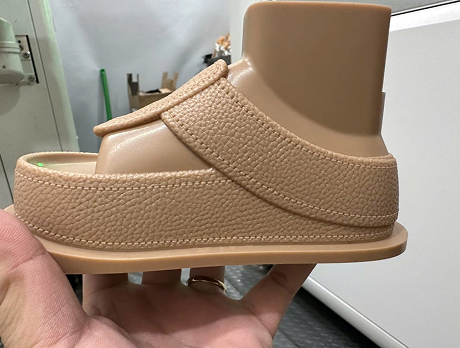
Enhancing Agility and Customization
One of the primary advantages of small factory 3D printing is the ability to produce custom parts quickly. Traditional manufacturing methods often involve long lead times and significant capital investment in tooling. In contrast, 3D printing allows for rapid prototyping and production without extensive setup. For small factories, this flexibility means they can respond swiftly to changing customer needs, experiment with designs, and iterate on products without incurring prohibitive costs.
This capability to produce low-volume, customized parts makes small factories particularly competitive in niche markets. Industries such as automotive and medical devices often require unique components tailored to specific applications. Through industrial 3D printing, small manufacturers can offer bespoke solutions that larger firms may overlook due to volume constraints, thus creating a loyal customer base that values personalization.
Reducing Production Costs
Another significant benefit of 3D printing manufacturing for small factories is the potential for cost reduction. Traditional manufacturing often involves high upfront costs related to materials, labor, and machinery maintenance. By incorporating 3D printing into their production processes, small factories can minimize waste and realize substantial savings.
3D printing allows businesses to create complex geometries that would be impossible or too costly with traditional methods. This efficiency not only reduces material consumption but also streamlines the manufacturing process, cutting down on labor costs associated with assembly. As these savings accumulate, small factories can reinvest in innovation and technology, further strengthening their competitive edge.
Accelerating Product Development
Time-to-market is critical in today’s fast-paced economy. Small factories leveraging industrial 3D printing can significantly accelerate their product development cycles. Rapid prototyping enables these businesses to test ideas quickly, gather feedback, and refine products before full-scale production. This iterative approach fosters innovation and allows small manufacturers to bring new products to market more efficiently than their larger counterparts.
Moreover, because small factories can easily adjust designs based on consumer feedback, they can maintain relevance and adapt to market trends more effectively. This agility positions them to seize opportunities as they arise, enhancing their overall competitiveness.
Unlocking Potential with SoonSer
Embracing industrial 3D printing can be a game-changer for small factories, providing them with the tools to compete effectively in a crowded marketplace. At SoonSer, we specialize in innovative 3D printing solutions that empower small manufacturers to achieve greater precision, efficiency, and sustainability. Our advanced technologies cater to various industries, including automotive, electronics, footwear, medical, and entertainment.
By partnering with SoonSer, small factories can streamline their production processes, enhance product development, and unlock new capabilities. Together, we can drive success across diverse applications and transform the future of manufacturing. Embrace the power of small factory 3D printing today.

