



Molds and Casting: How 3D Printing Enhances Efficiency and Reduces Costs
17 November 2025
Industry Insights
In the fast-paced realms of mold-making and casting, where tight deadlines and budget constraints shape success, integrating 3D printing molds into production workflows is a game-changing strategy. Our team at SoonSer understands that leveraging an industrial 3D printer designed specifically for mold-making applications enables rapid prototyping of complex cavities, reduces material waste, and eliminates costly tooling adjustments. By adopting this transformative approach, manufacturers can streamline production cycles, cut lead times by up to 50%, and achieve consistent precision—all while maintaining the durability required for high-volume casting processes.
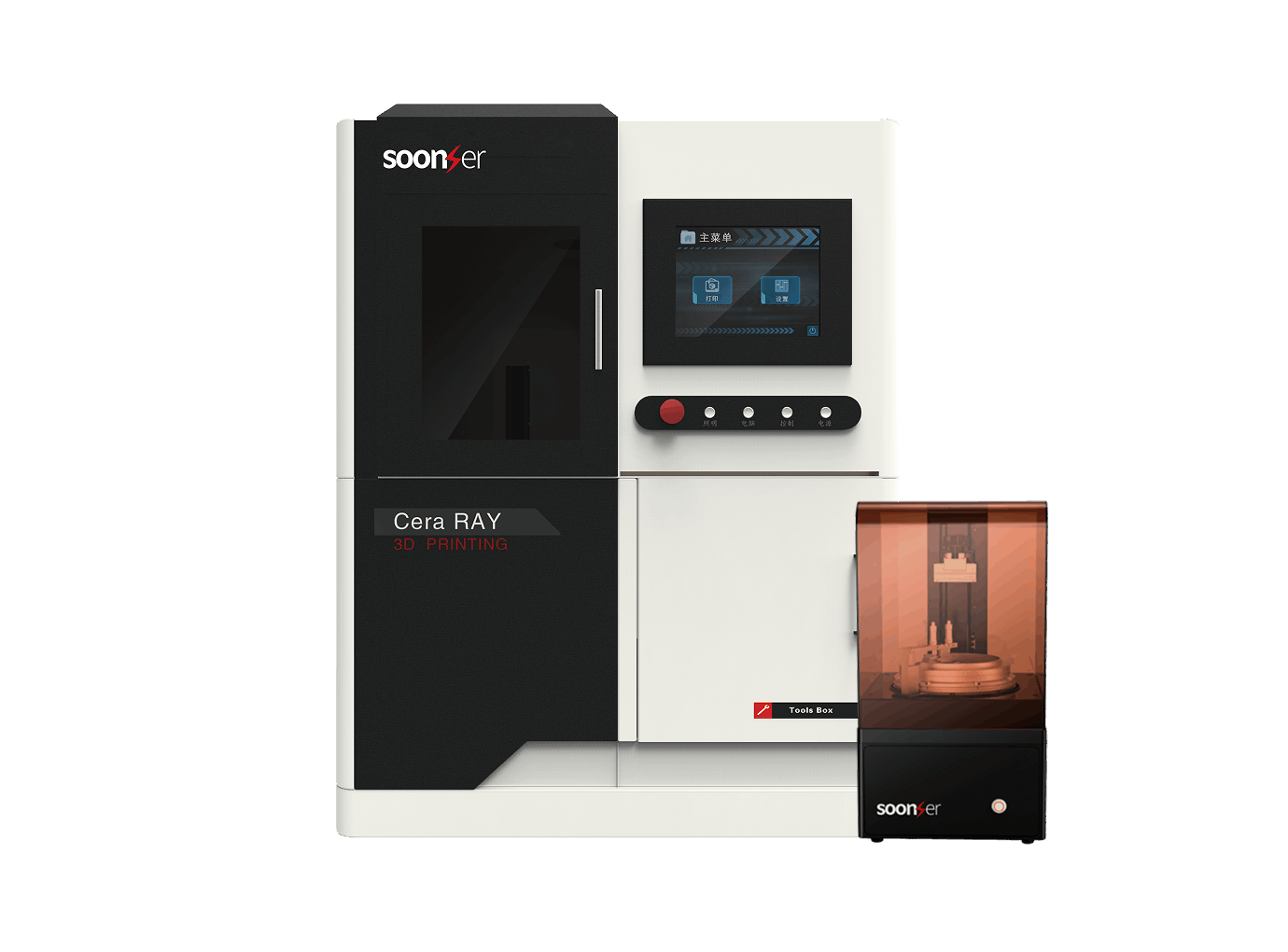
Streamlined Mold Production with 3D Printing Molds
One of the most notable advantages of using 3D printing molds is the ability to streamline the mold production process. Traditional mold-making often involves complex machining and lengthy lead times, which can delay production schedules and increase costs. With SoonSer’s industrial 3D printer, manufacturers can quickly produce high-precision molds with intricate details, reducing the need for multiple setups and minimizing errors. This streamlined approach accelerates the mold production cycle, enabling faster turnaround times and improved responsiveness to market demands.
Cost Reduction through On-Demand Manufacturing
Another significant benefit of 3D printing molds is the potential for cost reduction through on-demand manufacturing. By producing molds only when needed, manufacturers can avoid the expenses associated with maintaining large inventories of pre-made molds. Our SoonSer industrial 3D printer allows for flexible production runs, making it ideal for both low-volume prototyping and high-volume manufacturing. This cost-effective approach enables companies to allocate resources more efficiently, investing in innovation and growth rather than inventory management.
Enhanced Design Flexibility and Customization
3D printing molds also offer enhanced design flexibility and customization options. Our SoonSer printers support a wide range of materials and can produce molds with complex geometries that would be difficult or impossible to achieve with traditional methods. This flexibility allows designers to experiment with new shapes, textures, and features, pushing the boundaries of what is possible in mold-making and casting. By embracing 3D printing technology, manufacturers can create unique and innovative products that stand out in the market.
Conclusion
The integration of 3D printing molds and an industrial 3D printer into the mold-making and casting process is revolutionizing the industry. Our SoonSer printers provide the efficiency, cost-effectiveness, and design flexibility needed to stay competitive in a fast-paced market. By adopting 3D printing technology, manufacturers can streamline production, reduce costs, and enhance product innovation. Trust SoonSer to be your partner in advancing mold-making and casting with cutting-edge 3D printing solutions.

