



Electronics Prototyping: How Industrial-Grade 3D Printing Accelerates Time-to-Market
15 November 2025
Industry Insights
In the hyper-competitive electronics industry, where innovation cycles shrink by the day and consumer expectations soar, speed and precision in prototyping are non-negotiable. Our team at SoonSer understands that integrating an industrial 3D printer designed specifically for electronics can revolutionize product development by slashing design-to-prototype timelines from weeks to days. By leveraging advanced materials and micro-resolution printing capabilities, our electronics 3D printer enables manufacturers to produce intricate circuit boards, housings, and connectors with unparalleled accuracy. This accelerates iterative testing, reduces material waste, and ensures first-to-market advantages, empowering brands to outpace rivals while maintaining rigorous quality standards.
Rapid Iteration for Faster Product Development
One of the primary advantages of using an industrial 3D printer for electronics is the ability to rapidly prototype complex designs. Traditional prototyping methods often involve lengthy lead times and high costs, especially when multiple iterations are needed. With SoonSer’s electronics 3D printer, engineers can quickly produce and test multiple versions of a component, identifying flaws and making improvements in real time. This rapid iteration process accelerates product development, allowing companies to bring new electronics to market faster.
Precision and Customization for Complex Designs
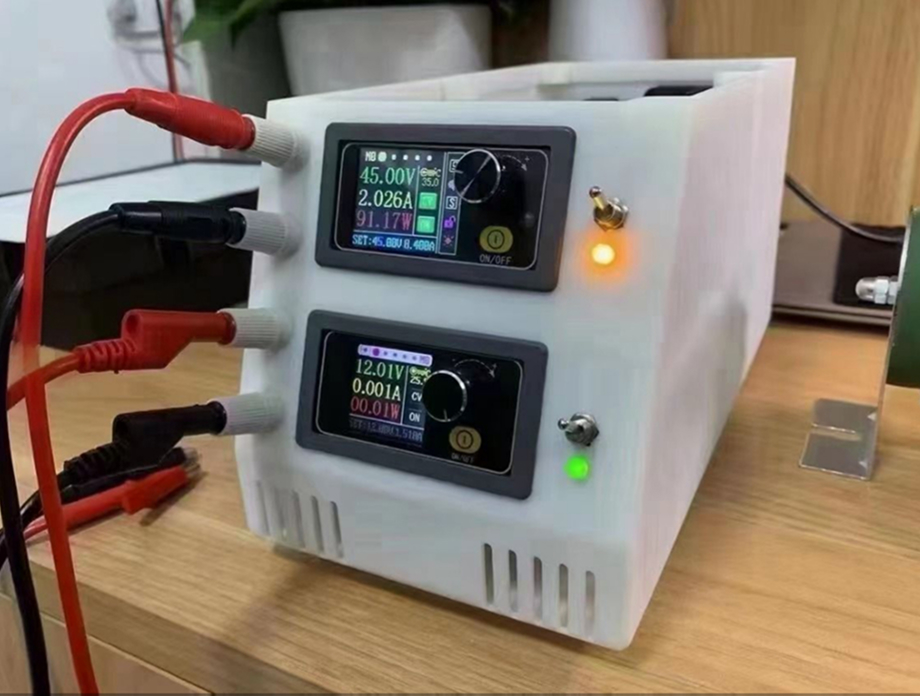
Electronics prototyping demands high precision and customization, especially for intricate components and assemblies. Our SoonSer industrial 3D printer offers exceptional accuracy, enabling the creation of detailed parts with tight tolerances. Whether it’s housing for microelectronics, connectors, or custom enclosures, our printer ensures that each prototype meets the exact specifications required. This level of customization fosters innovation and allows designers to explore creative solutions without being constrained by traditional manufacturing limitations.
Cost-Effective Prototyping and Reduced Waste
Integrating an electronics 3D printer into the prototyping workflow also offers cost benefits. By producing parts on demand, manufacturers can reduce inventory costs and minimize material waste. Unlike traditional methods that may require expensive tooling and setup fees, 3D printing allows for flexible production runs, making it ideal for both low-volume prototyping and high-volume manufacturing. This cost-effectiveness enables companies to allocate resources more efficiently and invest in further innovation.
Conclusion
The integration of an industrial 3D printer for electronics into the prototyping process is transforming how electronics are developed and brought to market. Our SoonSer electronics 3D printer provides the speed, precision, and cost-efficiency needed to stay competitive in a fast-paced industry. By embracing 3D printing technology, manufacturers can accelerate product development, enhance design innovation, and reduce costs. Trust SoonSer to be your partner in advancing electronics prototyping with cutting-edge 3D printing solutions.

