



Crafting Custom Electronics Enclosures with Advanced 3D Printing
31 October 2025
Industry Insights
In today’s rapidly evolving electronics industry, creating precise and functional enclosures for devices is essential. At SoonSer, we have been exploring innovative ways to integrate 3D printing electronics into product development processes, helping our clients produce high-quality electronics cases efficiently. Our expertise in 3D printing electronic device manufacturing allows us to support designers and engineers in translating their concepts into durable, accurate prototypes. With over a decade of experience in stereolithography (SLA) and resin-based 3D printing, we are equipped to handle both small-scale projects and complex industrial requirements.
Selecting the Right 3D Electronics Printer
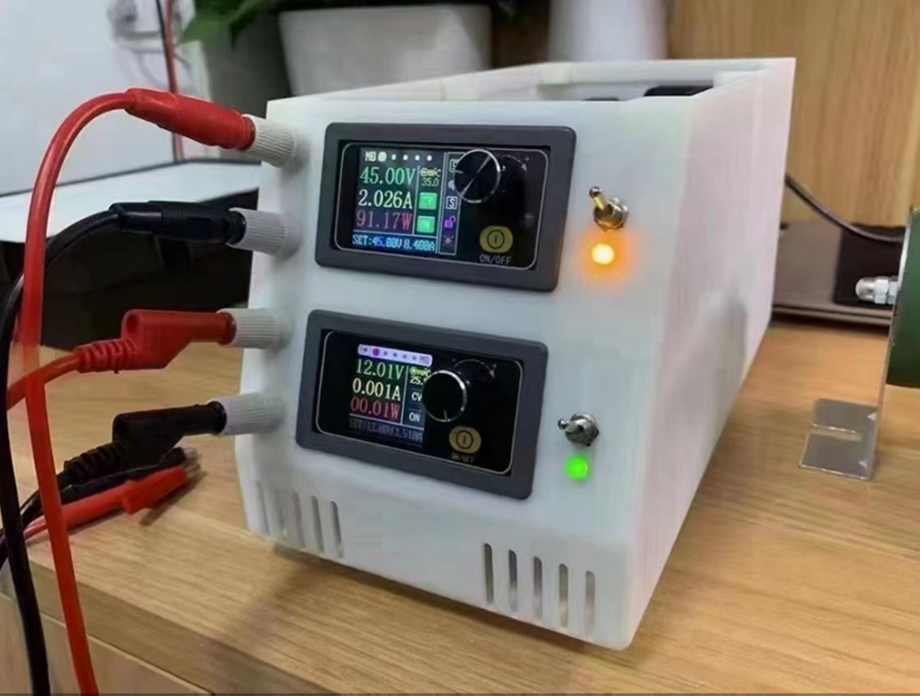
The first step in producing a reliable electronics case is choosing the right 3D electronics printer. At SoonSer, we offer a range of SLA and resin-based printers designed to deliver high resolution and smooth surface finishes, ideal for electronics applications. Our Smart-H and Mars Pro series are particularly suitable for printing detailed enclosures that require precise dimensions and complex internal structures. Using the Mars Pro-600 hand-held LiDAR scanner, a 0.8 mm-wall enclosure with 200 vent slots was printed in one piece within a 600 × 600 × 400 mm build area, achieving ±0.05 mm accuracy and reducing lead time from 21 days to just 3 days.
Designing and Preparing Electronics Cases
Designing a case for electronics requires careful consideration of component placement, heat dissipation, and mechanical strength. We often guide our clients in creating 3D models that are optimized for 3D printing electronic device production. By leveraging SoonSer’s printing capabilities, we can fabricate prototypes directly from CAD models, enabling rapid iteration without compromising quality. This process reduces development time and allows us to test fit and function before committing to large-scale manufacturing. Additionally, we focus on material selection suitable for electronics applications, ensuring the final enclosure can withstand environmental stresses and handling.
Benefits of 3D Printing Electronics Cases
Using 3D printing electronics for enclosures offers several advantages over traditional manufacturing methods. Rapid prototyping allows for quick design adjustments and cost-effective production for limited runs. At SoonSer, we have witnessed how integrating 3D electronics printer technology into our workflow can streamline product development, improve design accuracy, and enhance overall project efficiency. Clients benefit from faster turnaround times, the ability to produce complex geometries, and the flexibility to customize cases for specific electronic devices without extensive tooling.
Conclusion
At SoonSer, we are committed to advancing the use of 3D printing electronic device solutions for custom electronics enclosures. By combining our experience with advanced 3D electronics printer technology and attention to detail in 3D printing electronics, we help clients bring innovative products to life. Whether for prototyping or small-batch production, our approach ensures that electronics cases are both functional and visually precise. We continue to explore new techniques and materials to support the evolving needs of electronics designers and manufacturers, helping them achieve reliable, high-quality results with each project.

